Sign up to get the Sloww Sunday newsletter via email for free:👇
Sloww Sunday Newsletter 230 (Feb 8, 2026) — Slow Living Trojan Horse, States & Stages, Seer & Seen, & More
The Sloww Sunday newsletter sends to 10,000+ readers slowing down to the wisdom within. If you enjoy this issue, please help grow Sloww by forwarding this newsletter to others.
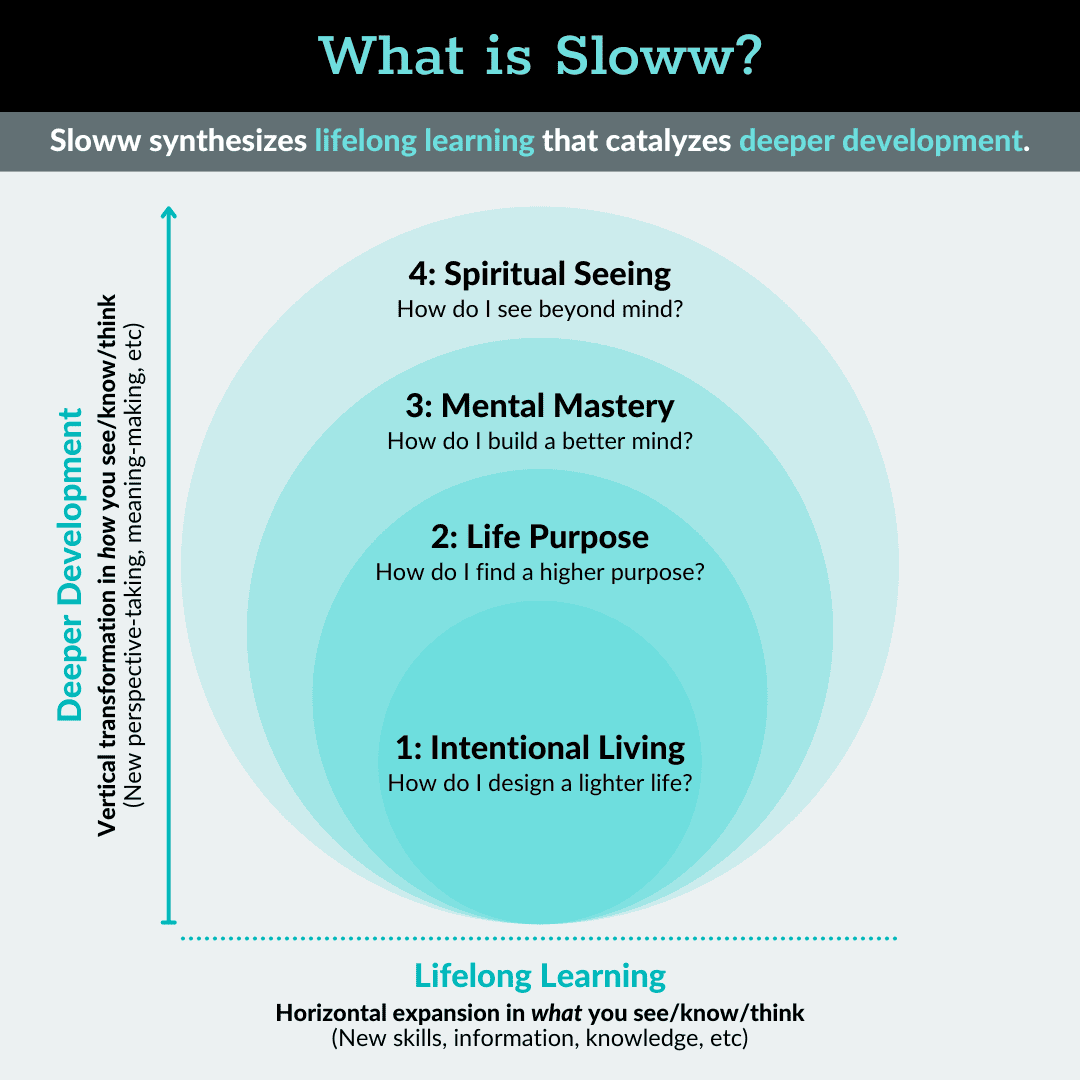
New to Sloww? Here’s what it’s about in a nutshell (which mirrors the newsletter sections below):
🌀 States vs Stages of Consciousness
There’s a lot of hype these days about altered states of consciousness: psychedelics, plant medicine journeys, meditative states, expensive retreats, etc. But, there’s a perennial problem that temporary ‘waking up’ states don’t necessarily catalyze permanent ‘growing up’ stages. In Ken Wilber’s words:
- “It’s one thing to tap into a higher level; quite another to actually live there! … Although a person can have a peak experience of a higher dimension, the person’s self still has to grow and develop and evolve in order to permanently accommodate to those higher or deeper dimensions, in order to turn an ‘altered state’ into a ‘permanent trait.'”
Not to mention, your stage of development interprets your altered states:
- “The stage you are at in Growing Up determines how you interpret and make sense of any experience that you have—and that includes any Waking Up experience (or any spiritual experience). This changes everything.” — Ken Wilber
For more on this, check out Ken Wilber’s book Finding Radical Wholeness (Summary | 🔒Premium).
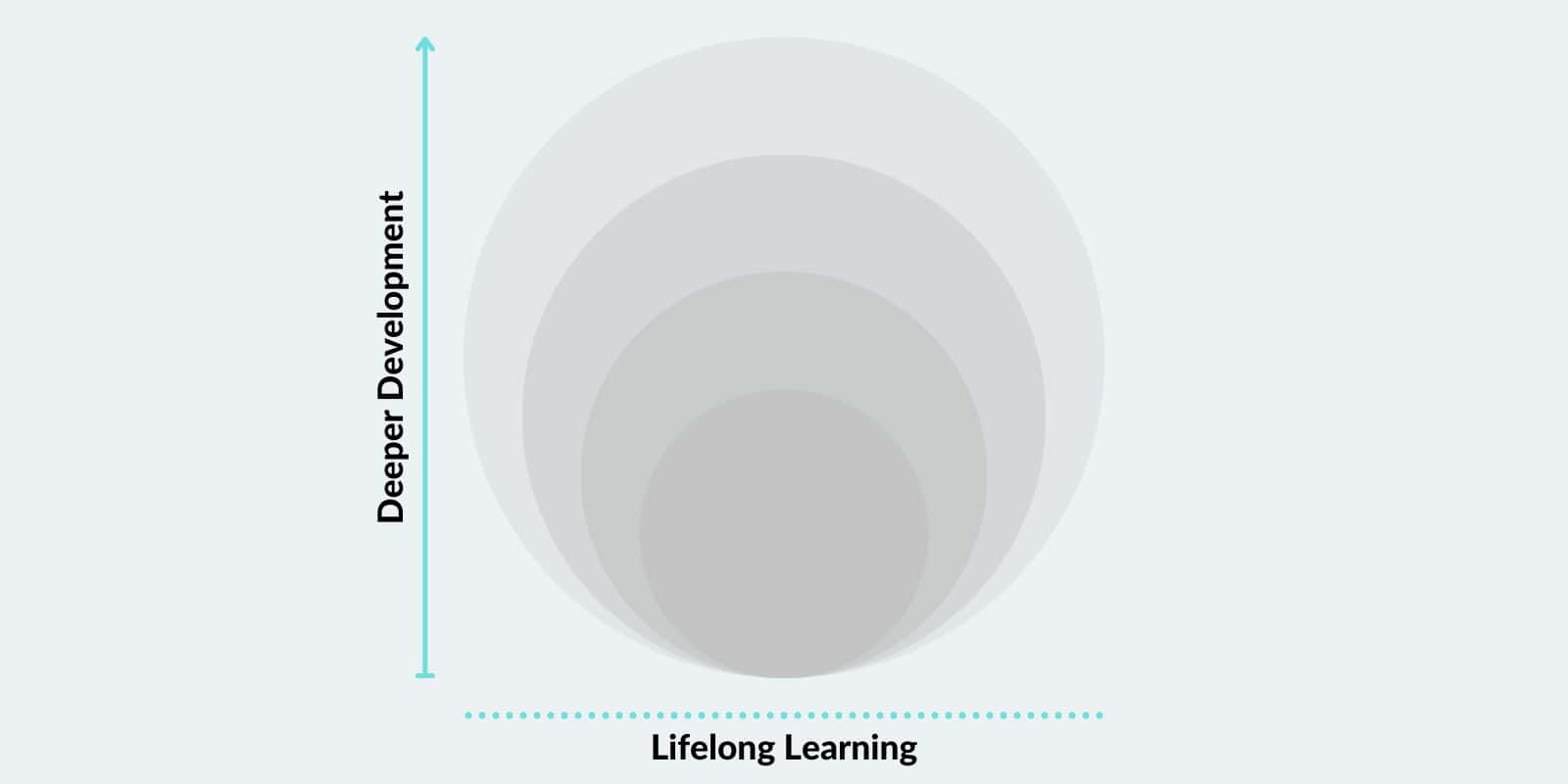
0️⃣ Explore More: 50+ posts on Lifelong Learning & Deeper Development (Sloww Stage Support)
🧠 Featured Product: Synthesizer Course: The Flagship Course for Synthesizing Minds
🐴 Slow Living is a Trojan Horse
If you’re new to slow living, I have plenty of articles on the site like Slow Living 101, 201, & 301. But, you should know that slow living is a Trojan horse for self-inquiry!
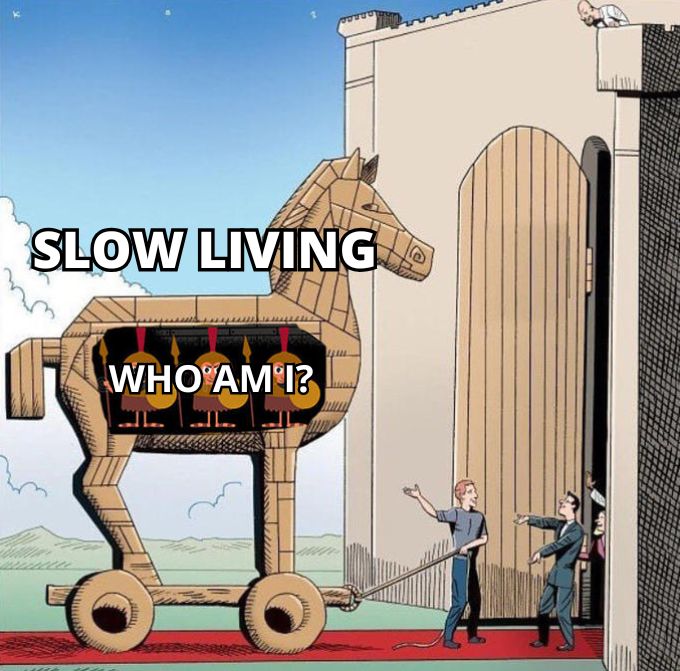
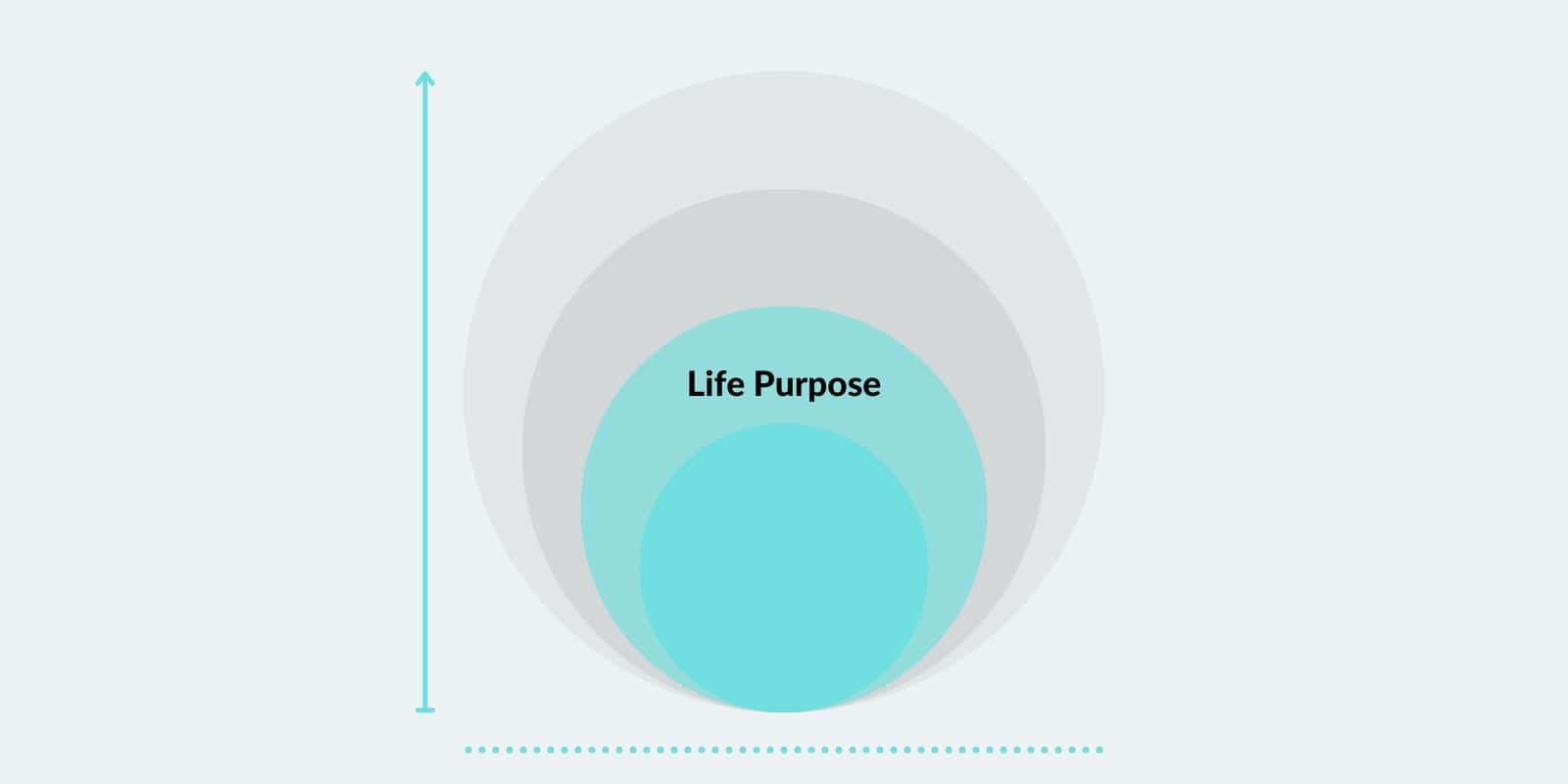
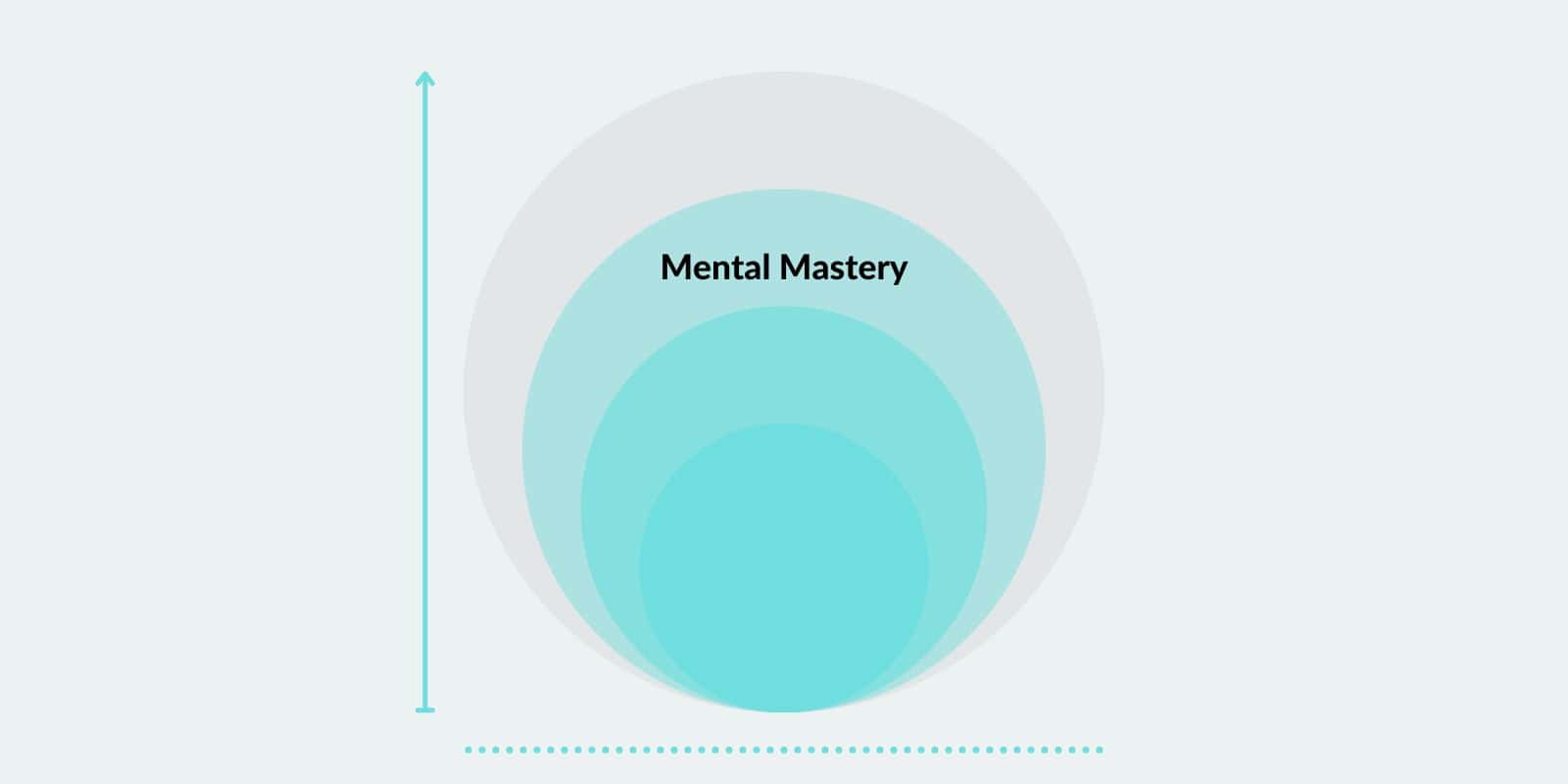
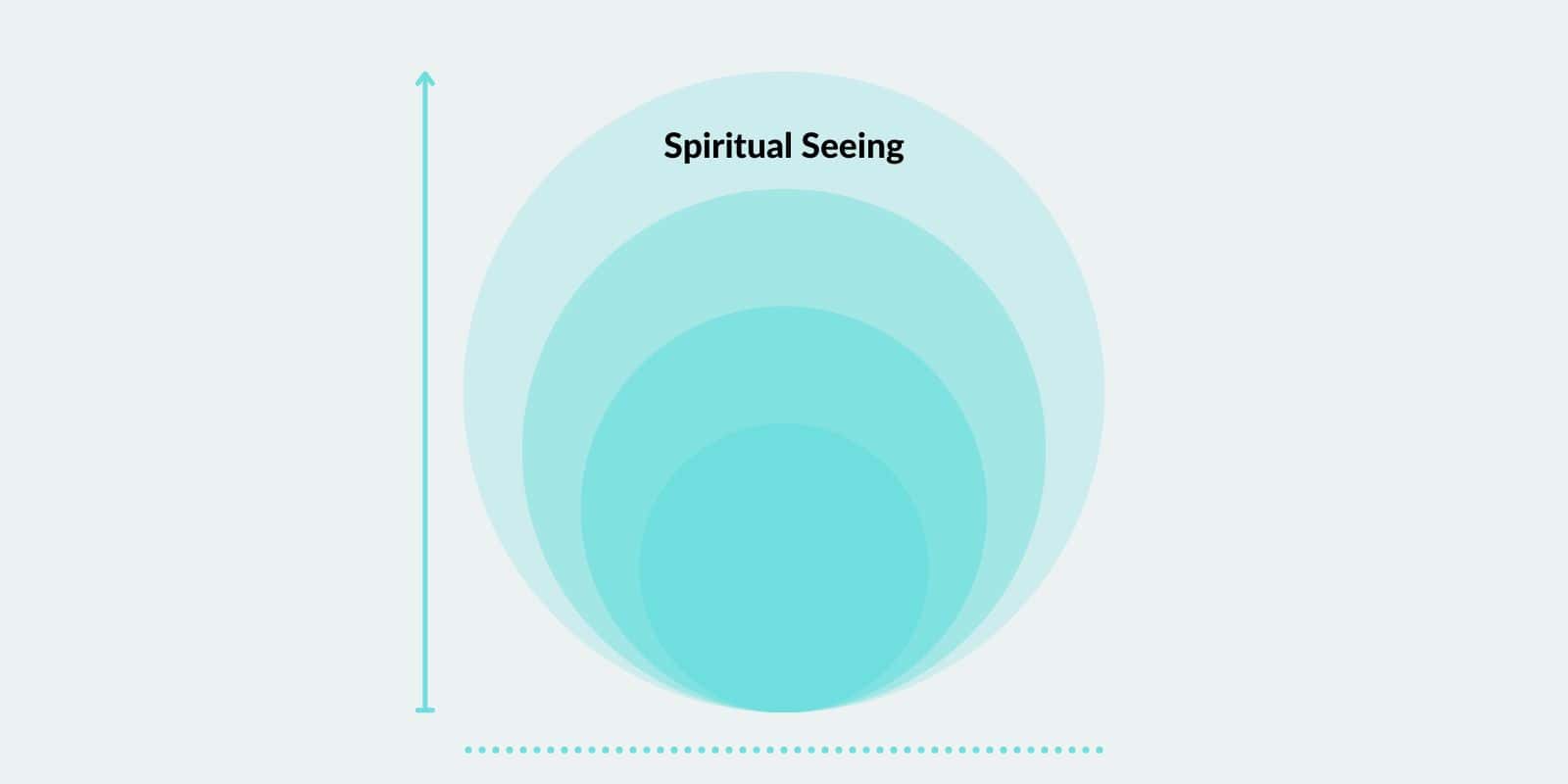
What you think you’re getting into is downshifting, unbusyness, and a more paced approach to life. While that’s all true, what you’re really getting is newfound internal space to pause, reflect, contemplate, and question—most importantly, self-question. I discovered slow living just over 10 years ago, and it’s led me on an ever-deeper journey over the last decade that I generally describe in four stages:
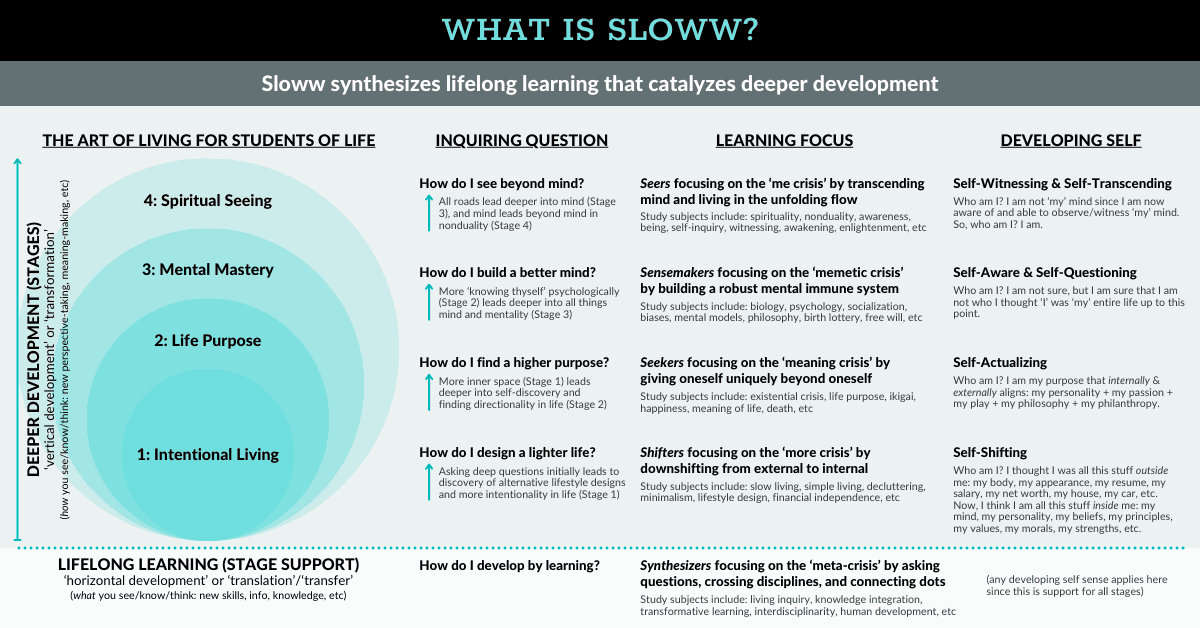
Where are you on your journey?
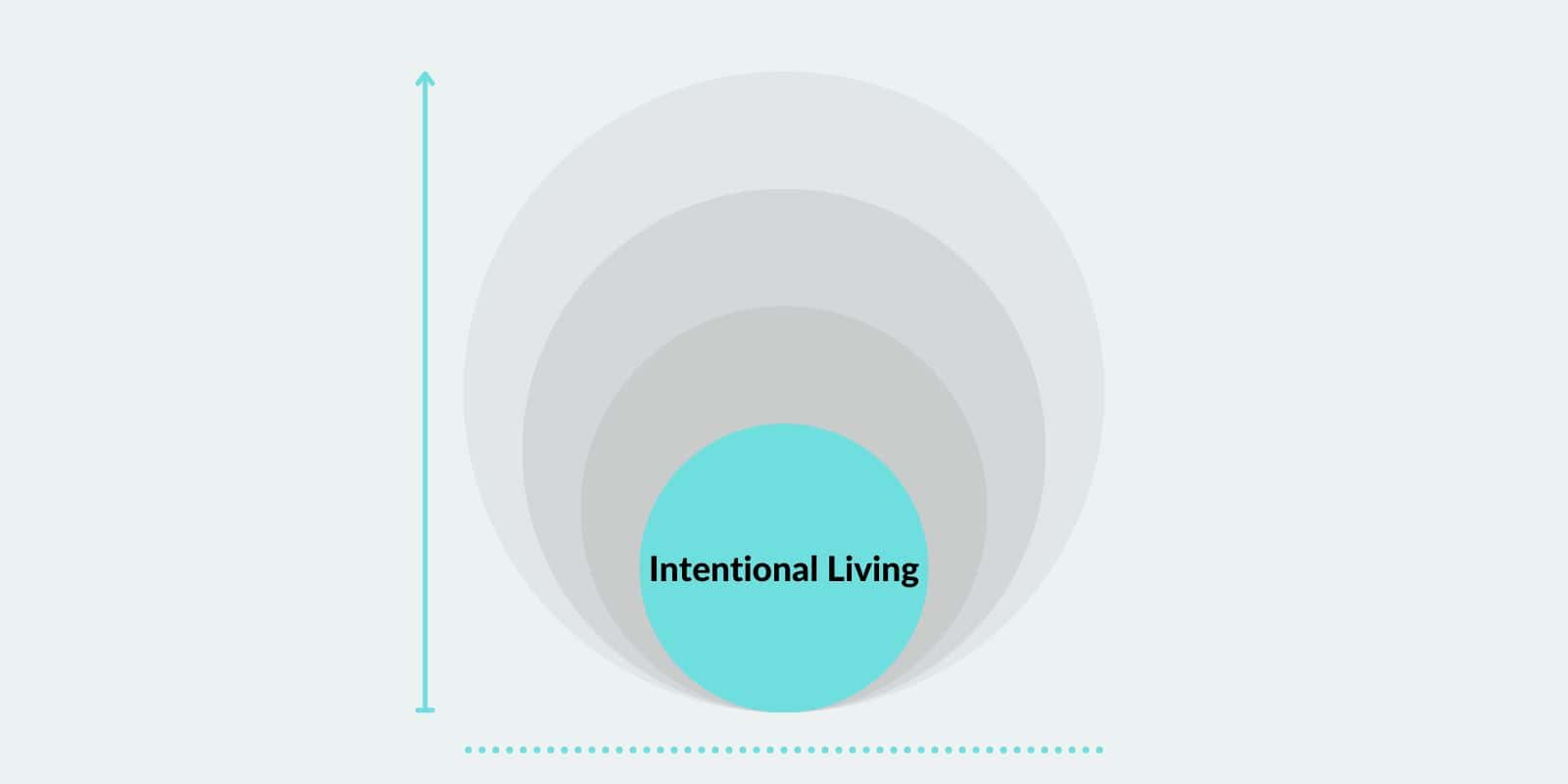
1️⃣ Explore More: 100+ posts on Intentional Living (Sloww Stage 1)
😃 Featured Product: The Hierarchy of Happiness: 100+ Powerful Perspectives on How to be Happy (Free eBook)
❤️🔥 What do you want to do most intensely?
Wise words from H. G. Wells:
- “Find the thing you want to do most intensely, make sure that’s it, and do it with all your might. If you live, well and good; if you die, well and good. Your purpose is done.”
2️⃣ Explore More: 50+ posts on Life Purpose (Sloww Stage 2)
🧭 Featured Product: Ikigai 2.0: A Step-by-Step Guidebook to Finding Life Purpose & Making Money Meaningfully (+ Bonus Workbook)
👁️ I Am You
A couple newsletters ago (Sloww Sunday #228), I highlighted a book on the philosophy of ‘universalism’ titled Finding Myself: Beyond the False Boundaries of Personal Identity by Arnold Zuboff (free online). A few newsletter readers appreciated the tip, so I figured I’d include another similar book here you may want to check out on ‘open individualism’ (more about OI in Sloww Sunday #201): I Am You: The Metaphysical Foundations for Global Ethics (Archive.org).
- “The central thesis of I Am You—that we are all the same person—is apt to strike many readers as obviously false or even absurd. How could you be me and Hitler and Gandhi and Jesus and Buddha and Greta Garbo and everybody else in the past, present and future? In this book I explain how this is possible. Moreover, I show that this is the best explanation of who we are for a variety of reasons, not the least of which is that it provides the metaphysical foundations for global ethics … The philosophical problem of personal identity is to explain what it is that makes me me and you you. What is it that makes me one unified and continuously existing individual person throughout various changes over time, and you another? This, however, is an amazingly difficult question to answer … I call my view The Open Individual View of Personal Identity, or simply Open Individualism for short.” — Daniel Kolak
3️⃣ Explore More: 100+ posts on Mental Mastery (Sloww Stage 3)
🧠 Featured Product: Mini Mind: 365 Days of Bite-Size Brain Food
☯️ An Inquiry into The Seer & The Seen
Swami Sarvapriyananda delivers a clear explanation of the seer and the seen in his latest Q&A video (listen to the first 25 mins).
If this sparks your interest, check out Dṛg-Dṛśya-Viveka for a deeper inquiry into the the ‘seer’ (Dṛg) and the ‘seen’ (Dṛśya). Here’s an overview to get started:
👀 Step 1 (Eyes): The eye is the perceiver, and forms are perceived.
🧠 Step 2 (Mind): The eye is perceived, and the mind is the perceiver. Though the eye is the perceiver in respect to various forms, it becomes the object of perception in relation to the mind.
👁️ Step 3 (Witness/Self): The mind is perceived, and the Witness/Self is the perceiver. Because of its changeable nature, the mind is an object of perception, and the Witness/Self is the ultimate perceiver of all internal changes. The Witness/Self is the ultimate Seer because no other seer is known to exist.
All in all: If you’re suffering, it’s because you’ve identified with an object like the body (step 1) and/or mind (step 2):
- “From the subjective standpoint a man becomes a world-bound creature on account of the identification of the seer with the mind, sense-organs, etc. (object). Ignorance of the distinction between the subject and the object is the cause of one’s sufferings in the world.”
4️⃣ Explore More: 100+ posts on Spiritual Seeing (Sloww Stage 4)
👣 Featured Product: Wise Walk: 365 Days of Enlightening Exercise
“I went to the woods because I wished to live deliberately, to front only the essential facts of life, and see if I could not learn what it had to teach, and not, when I came to die, discover that I had not lived. I did not wish to live what was not life, living is so dear; nor did I wish to practise resignation, unless it was quite necessary. I wanted to live deep and suck out all the marrow of life, to live so sturdily and Spartan-like as to put to rout all that was not life, to cut a broad swath and shave close, to drive life into a corner, and reduce it to its lowest terms, and, if it proved to be mean, why then to get the whole and genuine meanness of it, and publish its meanness to the world; or if it were sublime, to know it by experience, and be able to give a true account of it in my next excursion.” — Thoreau (Walden)
Share: Sloww Sunday currently sends to 10,000+ students of life each week. If you enjoyed this issue, please help grow Sloww by forwarding this newsletter to some friends and family. It’s free for them to subscribe here.
Support: Sloww is a one-human labor of love (it’s just me over here 👋). Your support keeps the site ad-free and invests in me while you invest in yourself—a true win-win! There are free and financial ways to support.
Speak: Have something you want to say, or just want to say hi? It’s always greatly appreciated. Just leave a comment or reach out socially.
All the best,
Kyle Kowalski
Founder, Sloww