Sign up to get the Sloww Sunday newsletter via email for free:👇

Sloww Sunday Newsletter 228 (Jan 4, 2026) — The Inner Life, Imitating Enlightenment, Universalism, & More
The Sloww Sunday newsletter sends to 10,000+ readers slowing down to the wisdom within. If you enjoy this issue, please help grow Sloww by forwarding this newsletter to others.
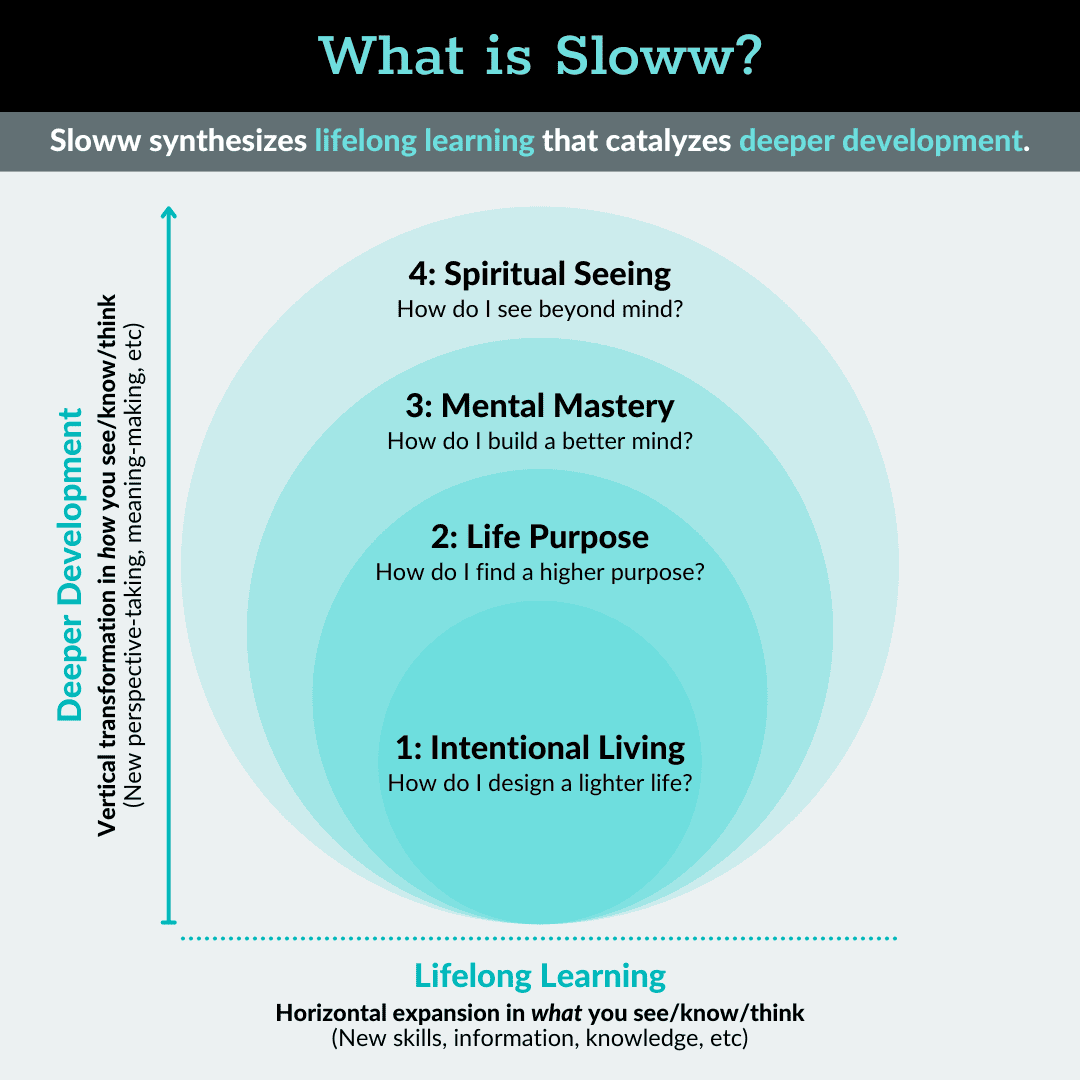
New to Sloww? Here’s what it’s about in a nutshell (which mirrors the newsletter sections below):
🌀 Why you can’t imitate the enlightened and expect enlightenment
This could just as easily go in the spirituality section of the newsletter below, but it’s about psychological development so I’m highlighting it here. Ultimately, this explains why there are so many Buddhists and so few Buddhas, so many Christians and so few Christs, etc—because this isn’t a case of ‘fake it til you make it.’ The behavior of a Buddha is a byproduct of being a Buddha. In other words, the behavior follows from a lived experience of a specific subject-object relationship (🔒).
The following highlights come from Awareness by Anthony de Mello (Book Summary | 🔒Premium Summary + Infographics):
- “Sometimes people want to imitate Christ, but when a monkey plays a saxophone, that doesn’t make him a musician. You can’t imitate Christ by imitating his external behavior. You’ve got to be Christ. Then you’ll know exactly what to do.”
- “Meditating on and imitating externally the behavior of Jesus is no help. It’s not a question of imitating Christ, it’s a question of becoming what Jesus was. It’s a question of becoming Christ, becoming aware, understanding what’s going on within you.”
- “You must be what Christ was. An external imitation will get you nowhere.”
0️⃣ Explore More: 50+ posts on Lifelong Learning & Deeper Development (Sloww Stage Support)
🧠 Featured Product: Synthesizer Course: The Flagship Course for Synthesizing Minds
🏠 Carl Jung on the dangers of the externally-focused life
From Carl Jung’s foreword to The Spiritual Teaching of Ramana Maharshi:
- “It is undoubtedly more comfortable to dwell in a well-ordered and hygienically furnished house, but that does not answer the question as to who is the dweller in this house, and whether his soul enjoys a similar state of order and purity, that is, like that of the house serving for external life. Once man is set to the pursuit of external things, he is never satisfied, as experience shows, with the mere necessities of life, but always strives after more and more, which, true to his prejudices, he always seeks in external things. He forgets entirely that in spite of all external success inwardly he remains the same, and therefore complains of his poverty when he owns only one motor car instead of two like others around him.”
- “Certainly, the external life of man can bear many improvements and beautifications, but they lose their significance to the extent to which the inner man cannot keep up with them. The provision with all ‘necessities’ is, without doubt, a source of happiness which is not to be underestimated. But above and beyond it, the inner man raises his claim, which cannot be satisfied by any external goods: and the less this voice is heard in the hunt for ‘the wonderful things’ of this world, the more the inner man becomes a source of inexplicable bad luck and ununderstandable unhappiness in the midst of conditions of life from which one would expect something quite different.”
- “The externalization leads to an incurable suffering, because nobody can understand how one could suffer because of one’s own nature. Nobody is surprised at his own insatiability, but looks upon it as his birthright; he does not realize that the one-sidedness of the diet of his soul ultimately leads to the most serious disturbances of balance. It is this which forms the illness of the Westerner, and he does not rest till he has infected the whole world with his greedy restlessness.”
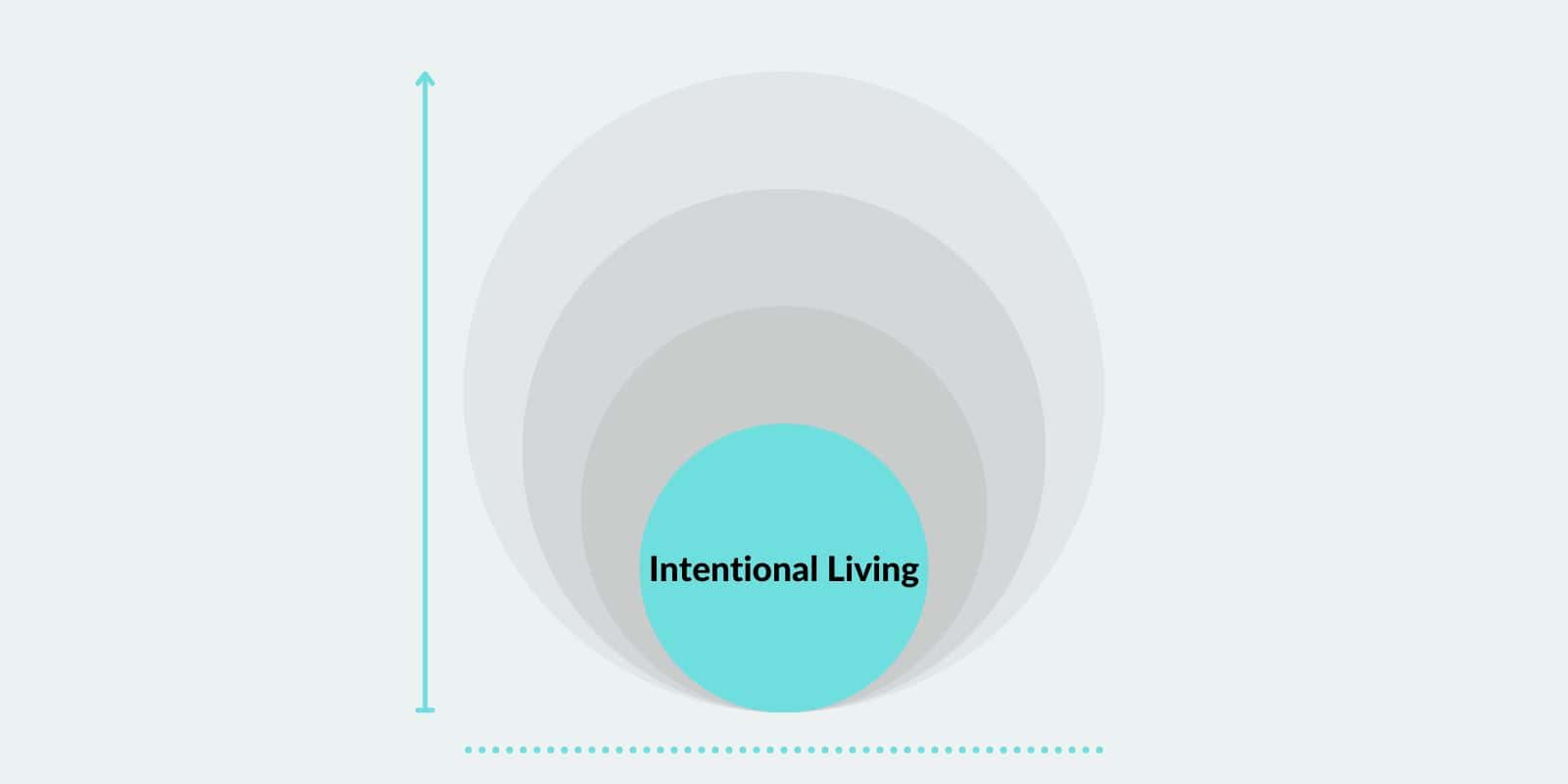
1️⃣ Explore More: 100+ posts on Intentional Living (Sloww Stage 1)
😃 Featured Product: The Hierarchy of Happiness: 100+ Powerful Perspectives on How to be Happy (Free eBook)
🐦🔥 Revisiting The Power of Myth
Exactly a year ago, I listened to all of the 1988 PBS series The Power of Myth with Joseph Campbell and Bill Moyers (Spotify). I put all the highlights into this series summary and Sloww Sunday #205. What still stands out to me the most is how the entire thing is all about psychological development (or as Campbell says, “transformation of consciousness”):
- “All of the symbols in mythology refer to you … What all the myths have to deal with is transformation of consciousness … the maturation of the individual … The real dragon is in you. That’s your ego, holding you in … Somehow with the diminishment of your own ego, the consciousness expands.”
- “To get out of that posture of psychological dependency into one of psychological self-responsibility requires a death and resurrection, and that is the basic motif of the hero journey: leaving one condition, finding the source of life to bring you forth in a richer, or more mature, or other condition.”
- “Death to the animal nature, birth to the spiritual, and these symbols are talking about it one way or another … This is an essential experience of any mystical realization: you die to your flesh and are born to your spirit. You identify yourself with the consciousness and life of which your body is but the vehicle.”
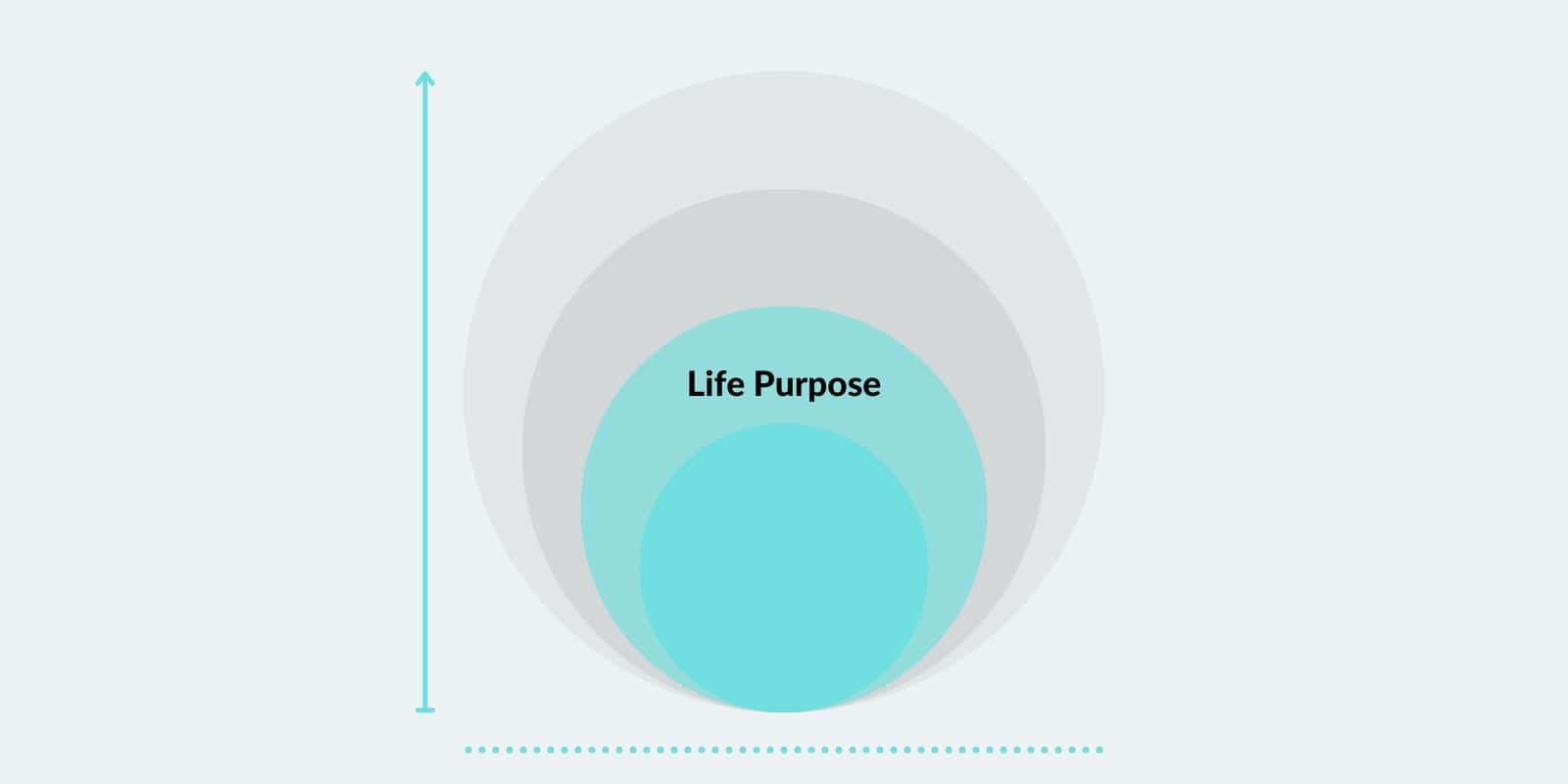
2️⃣ Explore More: 50+ posts on Life Purpose (Sloww Stage 2)
🧭 Featured Product: Ikigai 2.0: A Step-by-Step Guidebook to Finding Life Purpose & Making Money Meaningfully (+ Bonus Workbook)
🧠 New book on the philosophy of “universalism”
I recently stumbled across the new book Finding Myself: Beyond the False Boundaries of Personal Identity by Arnold Zuboff (free online). If you want an intro to the philosophy of universalism (aka ‘open individualism’), see Sloww Sunday #201. Here’s a short description of the book (which I haven’t read yet but am excited to check out):
- “Arnold Zuboff has spent a lifetime exploring the mysteries of consciousness and personal identity. Finding Myself is the culmination of his decades-long philosophical reflection, presenting a simple vision of self that reshapes how we see life, death, and each other … In this groundbreaking work, with a foreword by Thomas Nagel, Arnold Zuboff challenges some of the deepest assumptions about what it means to be a self. With lucid thought experiments and uncompromising logic, he argues for a radical view of consciousness and personal identity that has far-reaching implications for how we think about our lives, our relationships, and our place in the universe. This book is both a rigorous philosophical work and an invitation to rethink the nature of the self—and to discover freedom beyond its supposed limits.”
Here’s a 7-min video overview:
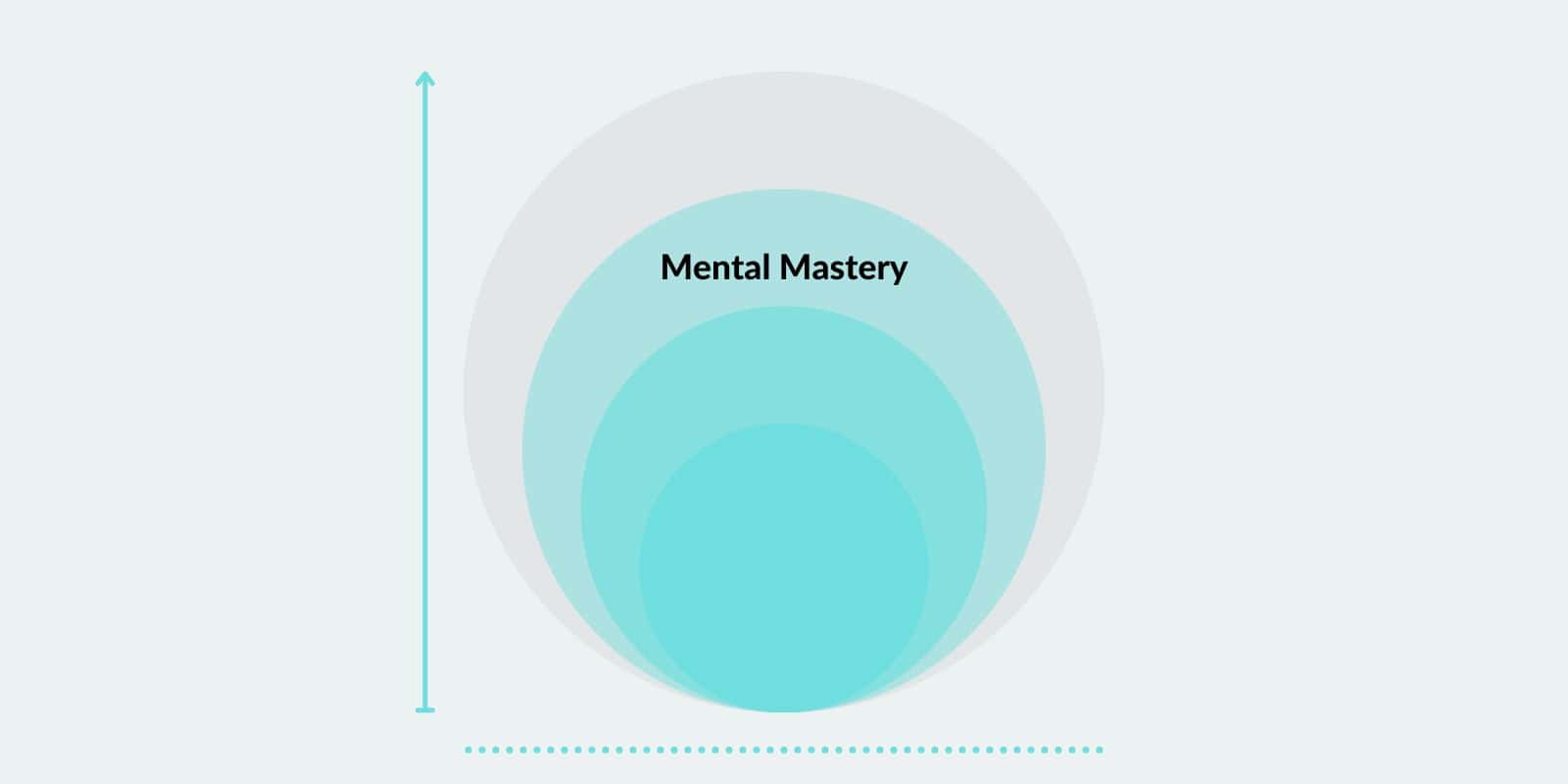
3️⃣ Explore More: 100+ posts on Mental Mastery (Sloww Stage 3)
🧠 Featured Product: Mini Mind: 365 Days of Bite-Size Brain Food
☯️ Carl Jung on Ramana Maharshi
It’s pretty cool when you realize old authors you’re reading were contemporaries of each other. Carl Jung wrote the foreword to Heinrich Zimmer’s Der Weg zum Selbst (The Way to the Self)—which was translated by R. F. C. Hull in volume 11 of the Collected Works of C. G. Jung and also republished as the foreword in The Spiritual Teaching of Ramana Maharshi. Some highlights from Jung:
- “The identification of the Self with God will strike the European as shocking. It is a specifically Oriental realization, as expressed in Śrī Ramana’s utterances.”
- “It is clear to the Indian that the Self as spiritual Source is not different from God; and in so far as man abides in his Self, he is not only contained in God but is God Himself.”
- “The Goal of Eastern practices is the same as that of Western mysticism: the focus is shifted from the ‘I’ to the Self, from man to God. This means that the ‘I’ disappears in the Self, and the man in God … Śrī Ramana declares unmistakably that the real purpose of spiritual practice is the dissolution of the ‘I.'”
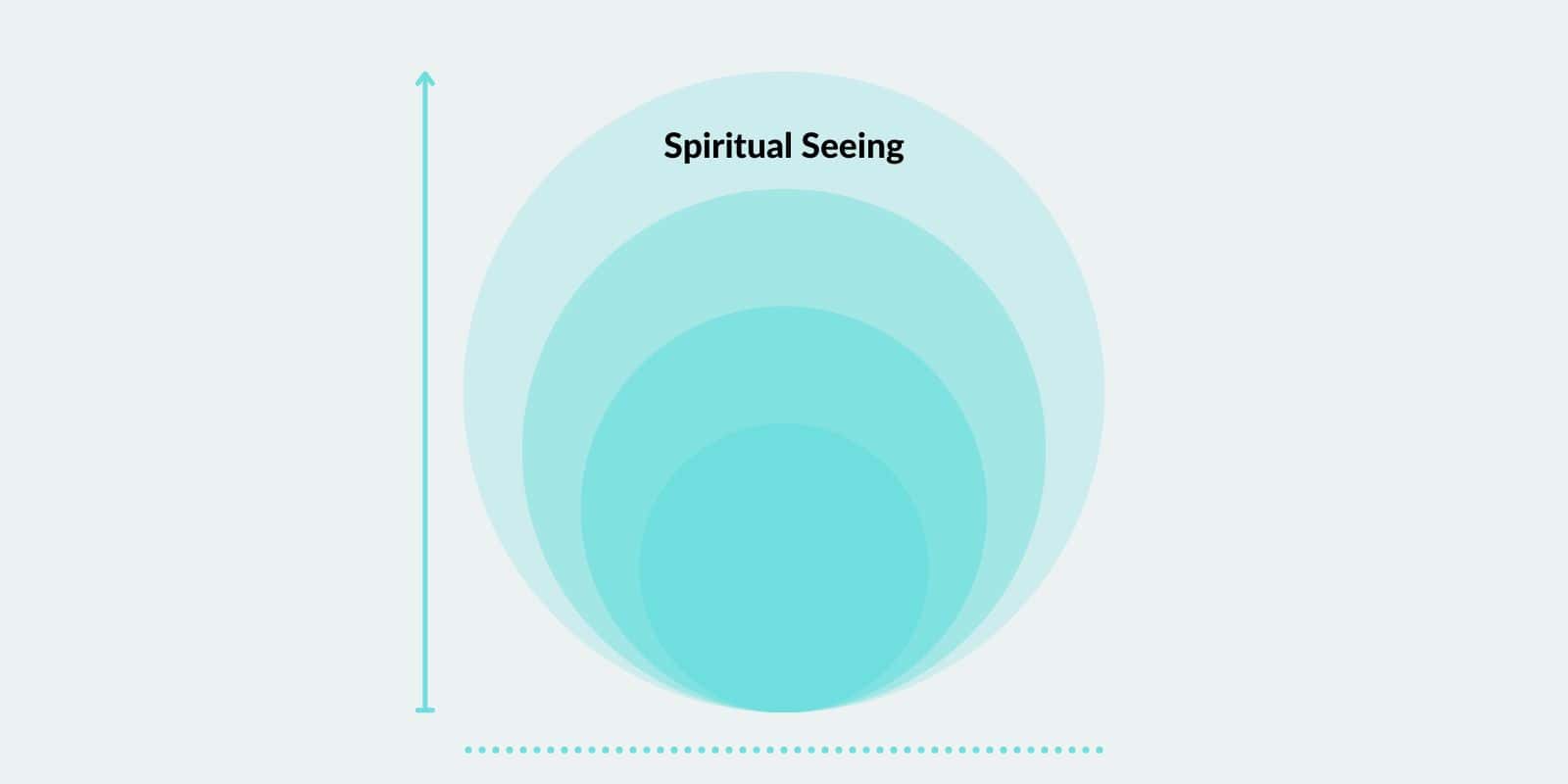
4️⃣ Explore More: 100+ posts on Spiritual Seeing (Sloww Stage 4)
👣 Featured Product: Wise Walk: 365 Days of Enlightening Exercise
Insert your name for ‘John Jones’ & ‘John Doe’:
- “The thing is that we have been educated to use our minds in a certain way. A way that ignores, or screens out, the fact that every one of us is an aperture through which the whole cosmos looks out. You see, it’s as if you had a light covered with a black ball, and in this ball were pinholes, and each pinhole is an aperture through which the light comes out. So in that way, every one of us is, actually, a pinhole through which the fundamental light—that is, existence itself—looks out. Only, the game we’re playing is not to know this. To be only that little hole, which we call ‘me,’ ‘my ego,’ my specific ‘John Jones,’ or whatever. If, however—you see—we can maintain, at the same time, the sense of being this specific John Jones with his role in life, or whatever, and know also, underneath this, that we are the whole works, you get a very marvelous and agreeable arrangement. This is a most remarkable harmoniousness—I mean, it gives one’s life a great sense of joy and exuberance—if you can carry on these two things at once.” — Alan Watts
- “The real, deep down you is the whole universe, and it’s doing your living organism, and all its behavior … What you do is what the universe does, and what the universe does is also what you do … What you are is the universe—in fact, the works; what there is, and always has been, and always will be for ever and ever—performing an act called John Doe … When you wake up, you see, and discover that all this ‘to do’ wasn’t you—what you thought was you—but was the entire works, which we can just call ‘it.’ That you’re ‘it,’ and that ‘it’ is it, and everything is ‘it,’ and ‘it’ does all things that are done—then that is a great surprise.” — Alan Watts
Share: Sloww Sunday currently sends to 10,000+ students of life each week. If you enjoyed this issue, please help grow Sloww by forwarding this newsletter to some friends and family. It’s free for them to subscribe here.
Support: Sloww is a one-human labor of love (it’s just me over here 👋). Your support keeps the site ad-free and invests in me while you invest in yourself—a true win-win! There are free and financial ways to support.
Speak: Have something you want to say, or just want to say hi? It’s always greatly appreciated. Just leave a comment or reach out socially.
All the best,
Kyle Kowalski
Founder, Sloww