Sign up to get the Sloww Sunday newsletter via email for free:👇

Sloww Sunday Newsletter 225 (Dec 7, 2025) — Highest-Level Reading, Caregiving over Creation, & More
The Sloww Sunday newsletter sends to 10,000+ readers slowing down to the wisdom within. If you enjoy this issue, please help grow Sloww by forwarding this newsletter to others.
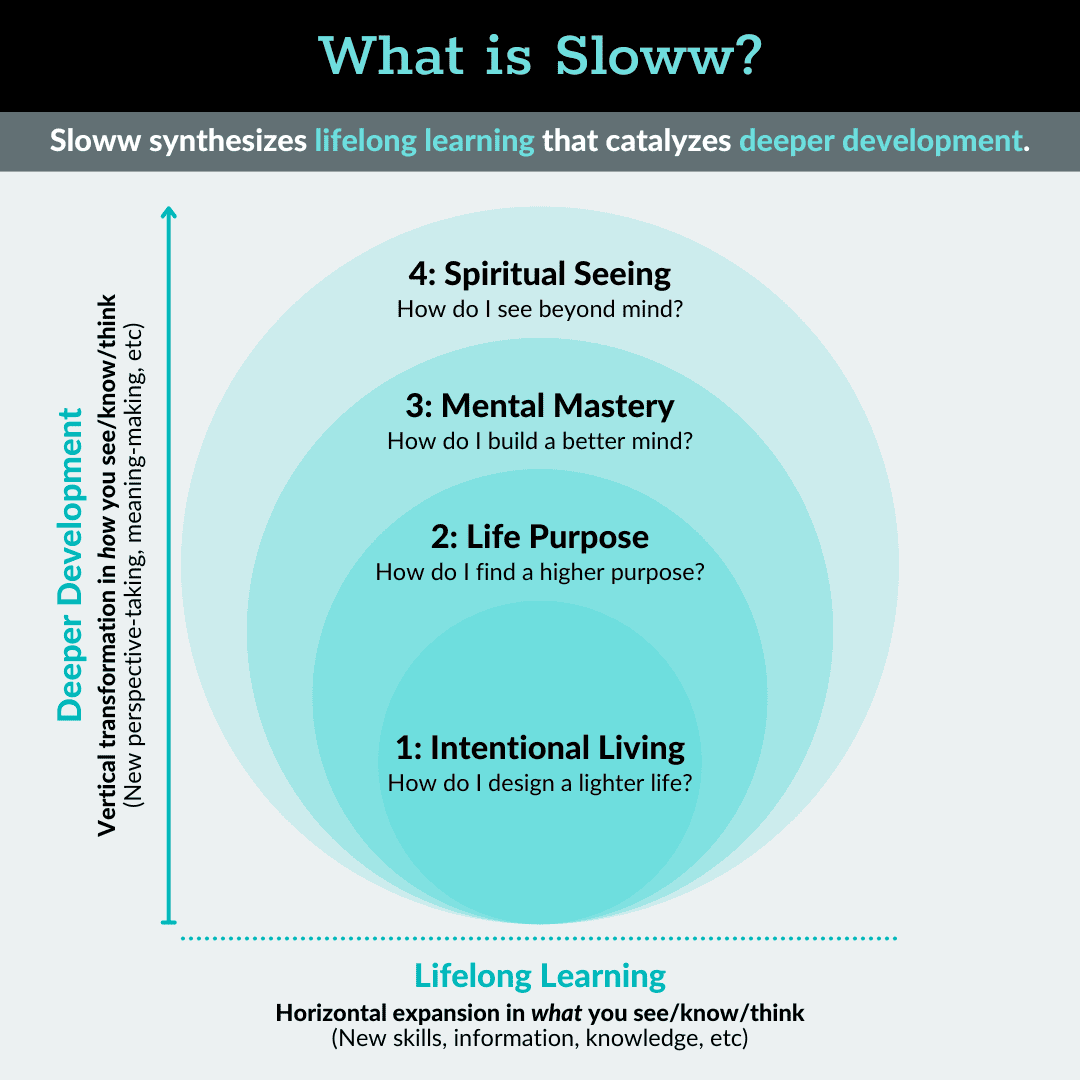
New to Sloww? Here’s what it’s about in a nutshell (which mirrors the newsletter sections below):
📚 The highest level of reading
A recent newsletter included the original 1975 video of How to Read a Book featuring Mortimer Adler and Charles Van Doren. If you skip to the 2:27:54 timestamp, you can hear a bit about the highest level of reading: syntopical reading (or comparative reading).
“The art of reading not just two books but two or more books—a whole set of books—on a given subject is perhaps the highest reach of the whole business of reading.” — Mortimer Adler
Syntopical reading:
- is the most active, effortful, complex, and systematic—and also most rewarding—kind of reading.
- is reading of two or more books on the same subject and placing them in relation to one another (reading authors widely separated in space and time, and differing radically in style and approach, as if they were members of the same universe of discourse).
- allows you to undertake independent research on almost any subject and construct an analysis of the subject that may not be in any of the books (maintaining ‘dialectical objectivity’ allows you to look at all sides and to take no sides).
Pair with: How to Read a Book (Book Summary | 🔒Premium Summary + Infographics)
0️⃣ Explore More: 50+ posts on Lifelong Learning & Deeper Development (Sloww Stage Support)
🧠 Featured Product: Synthesizer Course: The Flagship Course for Synthesizing Minds
🍵 Most of life is caregiving, not creation
I first heard this David Graeber quote years ago in this short video, and it’s stuck with me ever since:
- “Most work isn’t production. Most work is caregiving; most work is maintaining things. As I always say, ‘You make a cup once; you wash it like a thousand times‘. Most work is keeping things the same; it’s not recreating things.”
This now resonates with me more than ever. You create a child once, but every day is filled with caregiving: teaching, playing, cooking, feeding, cleaning, bathing…
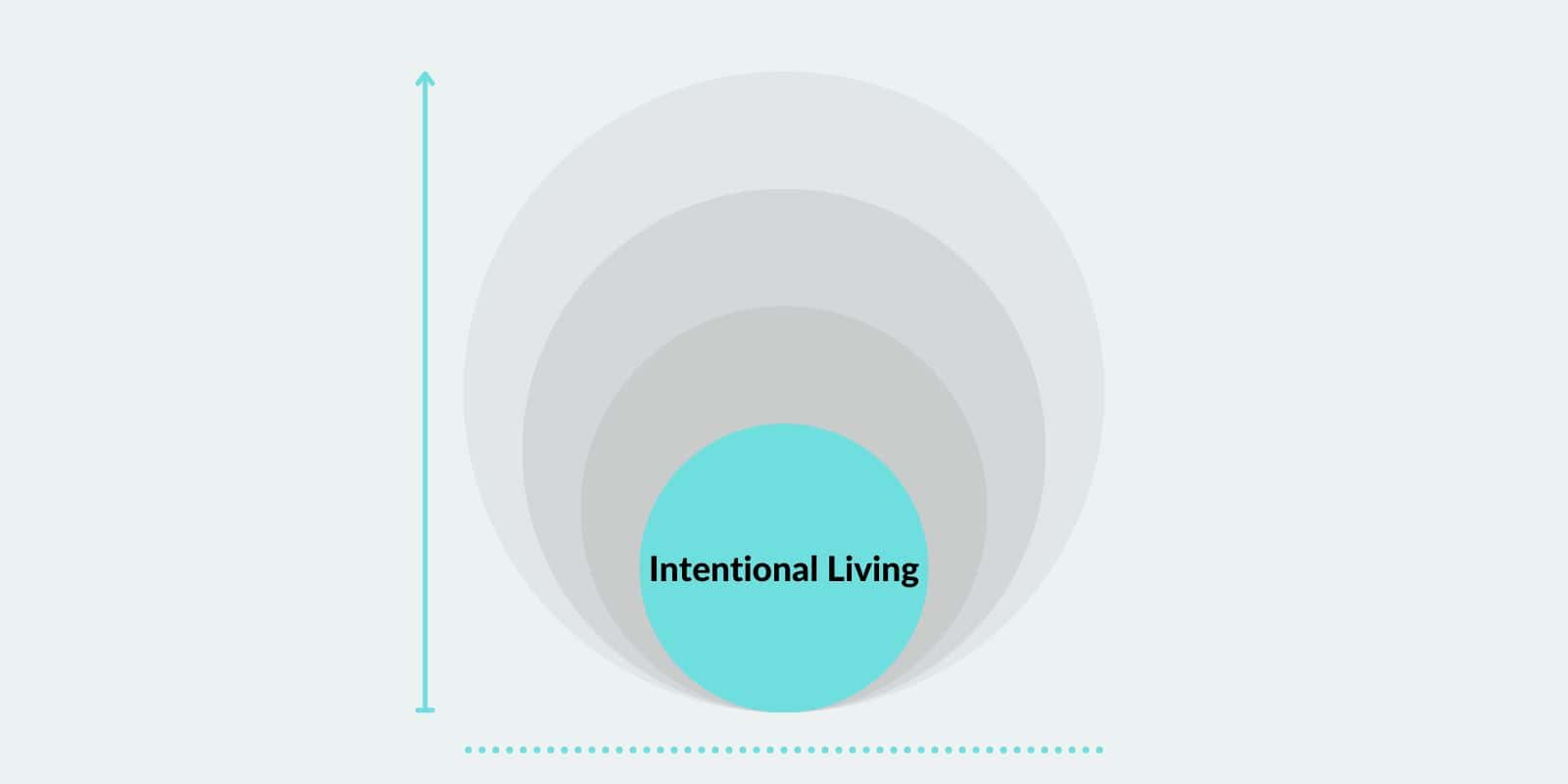
1️⃣ Explore More: 100+ posts on Intentional Living (Sloww Stage 1)
😃 Featured Product: The Hierarchy of Happiness: 100+ Powerful Perspectives on How to be Happy (Free eBook)
💀 Meeting life (and death) face to face
Trigger warning: The following excerpt mentions suicide. Please skip to the next newsletter section if you would like.
Exactly ten years ago, I was in the midst of my existential crisis. It was the darkest period of my life—aside from a year ago in the midst of chronic sleep deprivation with an infant. While an existential crisis is psychologically difficult, sleep deprivation is physically difficult—which then affects you psychologically. There were a handful a times the sleep deprivation was so hard I thought it would be easier to die (which I guess is why it’s considered a form of torture). It made me think about purpose from a perspective I hadn’t fully considered before:
- “The literal meaning of life is whatever you’re doing that prevents you from killing yourself.” — Attributed to Albert Camus
As usual, I always try to get to the original source. Here’s what I found from The Myth of Sisyphus by Albert Camus:
- “It is legitimate and necessary to wonder whether life has a meaning; therefore it is legitimate to meet the problem of suicide face to face.”
- “There is but one truly serious philosophical problem, and that is suicide. Judging whether life is or is not worth living amounts to answering the fundamental question of philosophy.”
- “Rising, streetcar, four hours in the office or the factory, meal, streetcar, four hours of work, meal, sleep, and Monday Tuesday Wednesday Thursday Friday and Saturday according to the same rhythm—this path is easily followed most of the time. But one day the ‘why’ arises and everything begins in that weariness tinged with amazement. ‘Begins’—this is important. Weariness comes at the end of the acts of a mechanical life, but at the same time it inaugurates the impulse of consciousness. It awakens consciousness and provokes what follows. What follows is the gradual return into the chain or it is the definitive awakening. At the end of the awakening comes, in time, the consequence: suicide or recovery. In itself weariness has something sickening about it. Here, I must conclude that it is good. For everything begins with consciousness and nothing is worth anything except through it.”
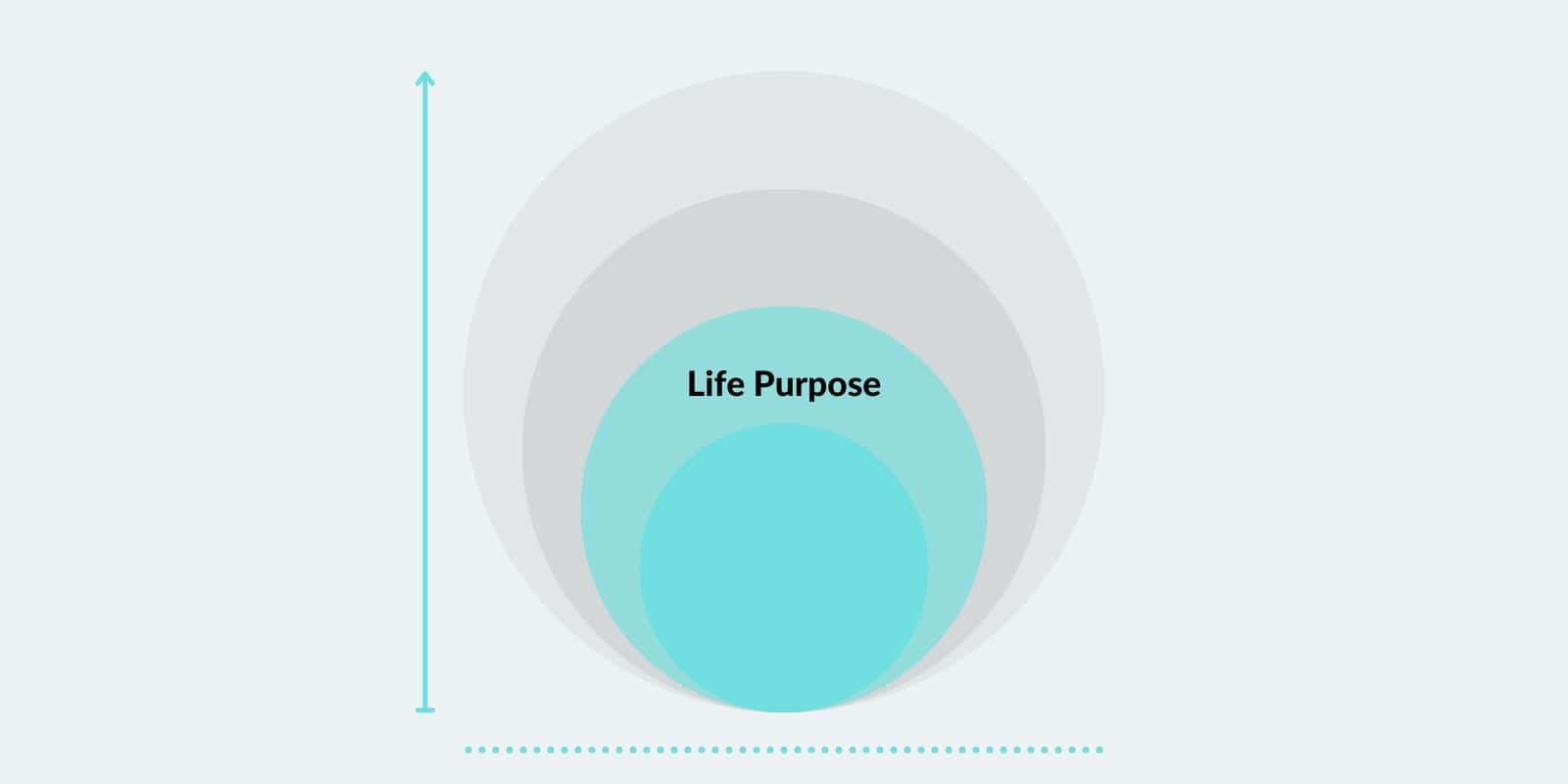
2️⃣ Explore More: 50+ posts on Life Purpose (Sloww Stage 2)
🧭 Featured Product: Ikigai 2.0: A Step-by-Step Guidebook to Finding Life Purpose & Making Money Meaningfully (+ Bonus Workbook)
🧠 Schopenhauer on ‘Transcendent Fatalism’
In a recent newsletter, I included an excerpt of Joseph Campbell paraphrasing Arthur Schopenhauer’s essay titled ‘Transcendent speculation on the apparent deliberateness in the fate of the individual’. When something really sparks my interest, I always try to dig into the original source. So, I found and read the essay in the book Parerga and Paralipomena (Vol 1). Here are some highlights in Schopenhauer’s own words:
- “That everything that happens, without exception, takes place with strict necessity is a truth to be understood a priori and hence is incontrovertible; I want to call it here demonstrable fatalism … The realization, or rather the view, that the necessity of everything happening is not blind, thus the belief in an orderly and necessary course of our lives, is fatalism of a higher order, which cannot be demonstrated, as can simple fatalism, but upon which perhaps all of us, sooner or later, will stumble someday and which, according to our manner of thinking, will take hold of us, either for a while or forever. We can call this, in contrast to the ordinary and demonstrable kind, transcendent fatalism.”
- “Neither our doings nor our course of life are our own achievement; rather our essence and being are our work, which nobody sees as such. For, on the basis of this and the circumstances and external events occurring in accordance with strict causal connection, our doings and course of life happen with complete necessity. Consequently, the entire course of life of human beings is already at birth irreversibly determined down to the smallest details … We should keep this great and certain truth in mind when contemplating and judging the course of our life, our deeds and sufferings.”
- “The planned orderliness in the course of everyone’s life can in part be explained through the invariability and rigid consistency of the inborn character, which always brings the human being back on to the same track. What is most appropriate for the character of each individual, he recognizes with such immediacy and certainty that he does not include it in clear, reflected consciousness, but immediately and, as if from instinct, acts in accordance with it … This is the inner compass, the secret pull that brings everyone correctly on to that path which alone is suitable for him and whose steady direction he only becomes aware of after having travelled it.”
- “In a certain sense the subject of the great dream of life is only one, the will to life, and that all the plurality of appearances is determined by space and time. It is a big dream that this one being dreams, but such that all its persons dream it together. Therefore, all things are intertwined and compatible with one another.”
- “In truth that hidden power which governs even external influences can ultimately have its root only in our own mysterious inner being; for in the end the alpha and omega of all existence lies within ourselves.”
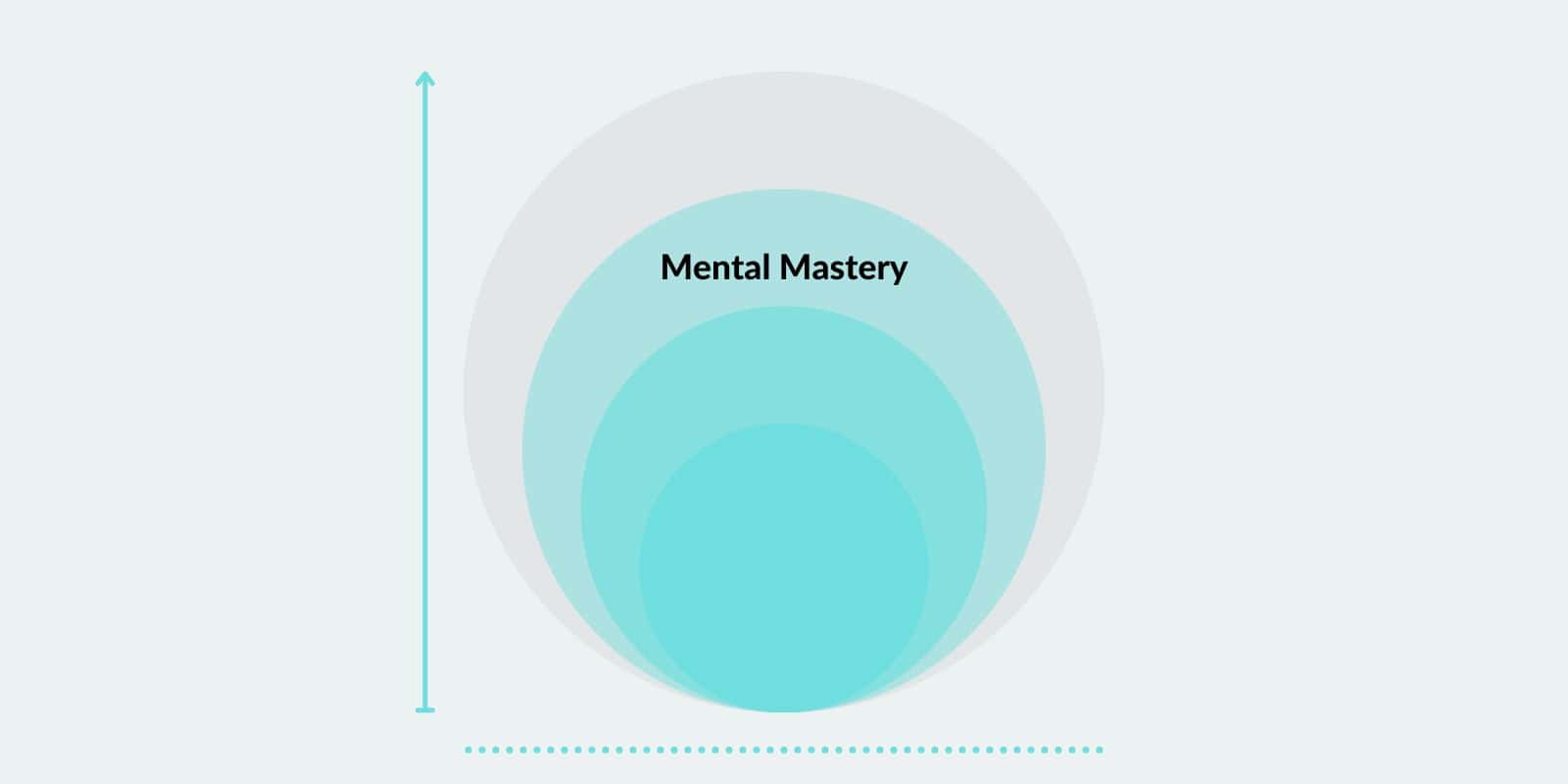
3️⃣ Explore More: 100+ posts on Mental Mastery (Sloww Stage 3)
🧠 Featured Product: Mini Mind: 365 Days of Bite-Size Brain Food
☯️ Reality in 40 Verses
A recent newsletter included a mini guide to Ramana Maharshi. Within The Collected Works of Ramana Maharshi, there’s a version of Reality in Forty Verses (Ulladu Narpadu). It’s claimed that these verses are the “most comprehensive exposition of the Maharshi’s teaching.” Here are some that stuck out to me:
9. “‘Twos’ and ‘threes’ depend upon one thing, the ego. If one asks in one’s Heart, ‘What is this ego?’ and finds it, they slip away. Only those who have found this know the Truth, and they will never be perplexed.” (Note: ‘Twos’ are pairs like pleasure-pain, knowledge-ignorance; ‘threes’ are triads like the knower, knowledge, and the known.)
19. “The debate, ‘Does free will prevail or fate?’ is only for those who do not know the root of both. Those who have known the Self, the common source of freewill and of fate, have passed beyond them both and will not return to them.”
30. “When the mind turns inward seeking ‘Who am I?’ and merges in the Heart, then the ‘I’ hangs down his head in shame and the One ‘I’ appears as Itself. Though it appears as ‘I-I’, it is not the ego. It is Reality, Perfection, the Substance of the Self.”
38. “If we are the doers of deeds, we should reap the fruits they yield. But when we question, ‘Who am I, the doer of this deed?’ and realize the Self, the sense of agency is lost and the three karmas slip away. Eternal is this Liberation.” (Note: Sanchita is karma accumulated in the past; Agami is karma to be worked out in the future; Prarabdha is karma working out in the present.)
39. “Thoughts of bondage and of freedom last only as long as one feels, ‘I am bound’. When one inquires of oneself, ‘Who am I, the bound one?’ the Self, Eternal, ever free, remains. The thought of bondage goes; and with it goes the thought of freedom too.”
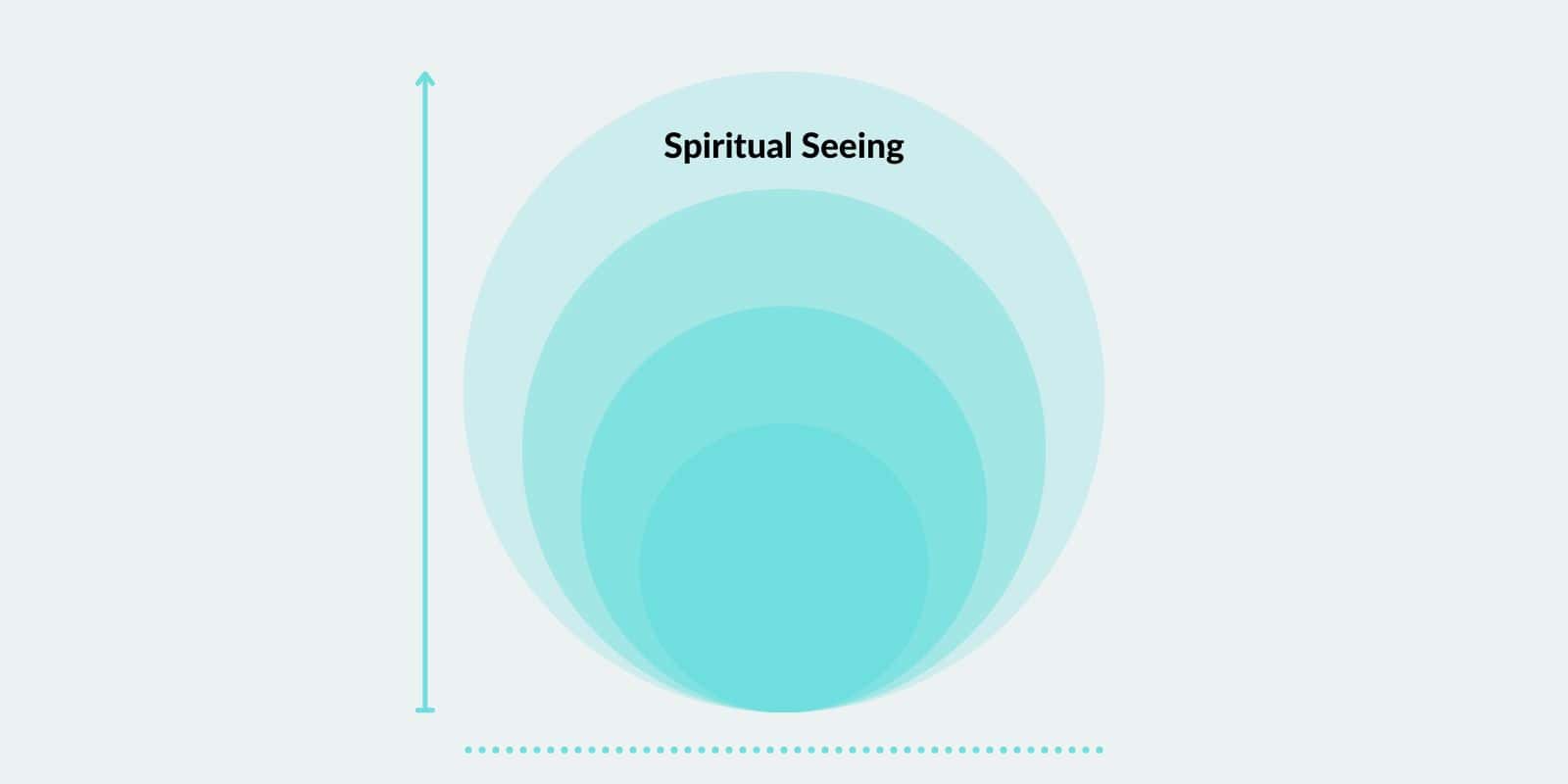
4️⃣ Explore More: 100+ posts on Spiritual Seeing (Sloww Stage 4)
👣 Featured Product: Wise Walk: 365 Days of Enlightening Exercise
“When a flower doesn’t bloom you fix the environment in which it grows, not the flower.” — Unknown
Pair with:
- “When you plant lettuce, if it does not grow well, you don’t blame the lettuce. You look for reasons it is not doing well.” — Thich Nhat Hanh
Share: Sloww Sunday currently sends to 10,000+ students of life each week. If you enjoyed this issue, please help grow Sloww by forwarding this newsletter to some friends and family. It’s free for them to subscribe here.
Support: Sloww is a one-human labor of love (it’s just me over here 👋). Your support keeps the site ad-free and invests in me while you invest in yourself—a true win-win! There are free and financial ways to support.
Speak: Have something you want to say, or just want to say hi? It’s always greatly appreciated. Just leave a comment or reach out socially.
All the best,
Kyle Kowalski
Founder, Sloww