Sign up to get the Sloww Sunday newsletter via email for free:👇
Sloww Sunday Newsletter 220 (Nov 2, 2025) — Mindfulness without Meditation, Neti Neti, Einstein, & More
The Sloww Sunday newsletter sends to 10,000+ readers slowing down to the wisdom within. If you enjoy this issue, please help grow Sloww by forwarding this newsletter to others.
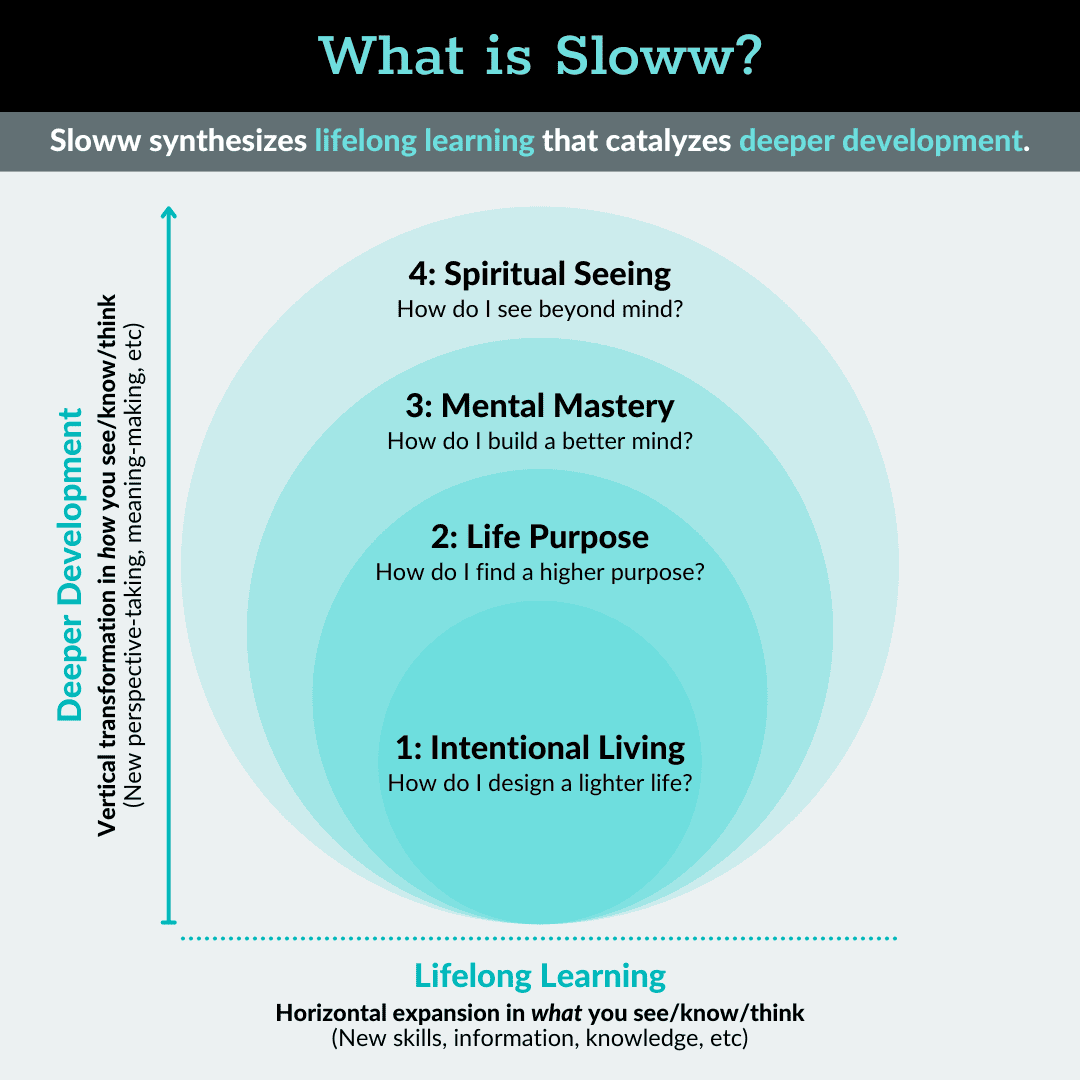
New to Sloww? Here’s what it’s about in a nutshell (which mirrors the newsletter sections below):
📚 Calling all synthesizers!
It took me years to figure out that I’m a ‘synthesizer’. But, it was an immediate epiphany once I realized such a thing exists! Here are some other synonymous and related terms. Do you feel like any of these describe you?
- Synthesizer / Synthesist / Generalist / Autodidact / Interdisciplinarian / Comprehensivist / Sensemaker / Philomath/Polymath / Philosopher / Intellectual / Contemplative
- Knowledge Integrator / Knowledge Networker / Independent Scholar / Autonomous Learner / Lifelong Learner / Self-Learner / Cognitive Explorer / Systems Thinker / Student of Life
If any of these immediately resonate with you and you want to learn more, please check out the Synthesizer Course.
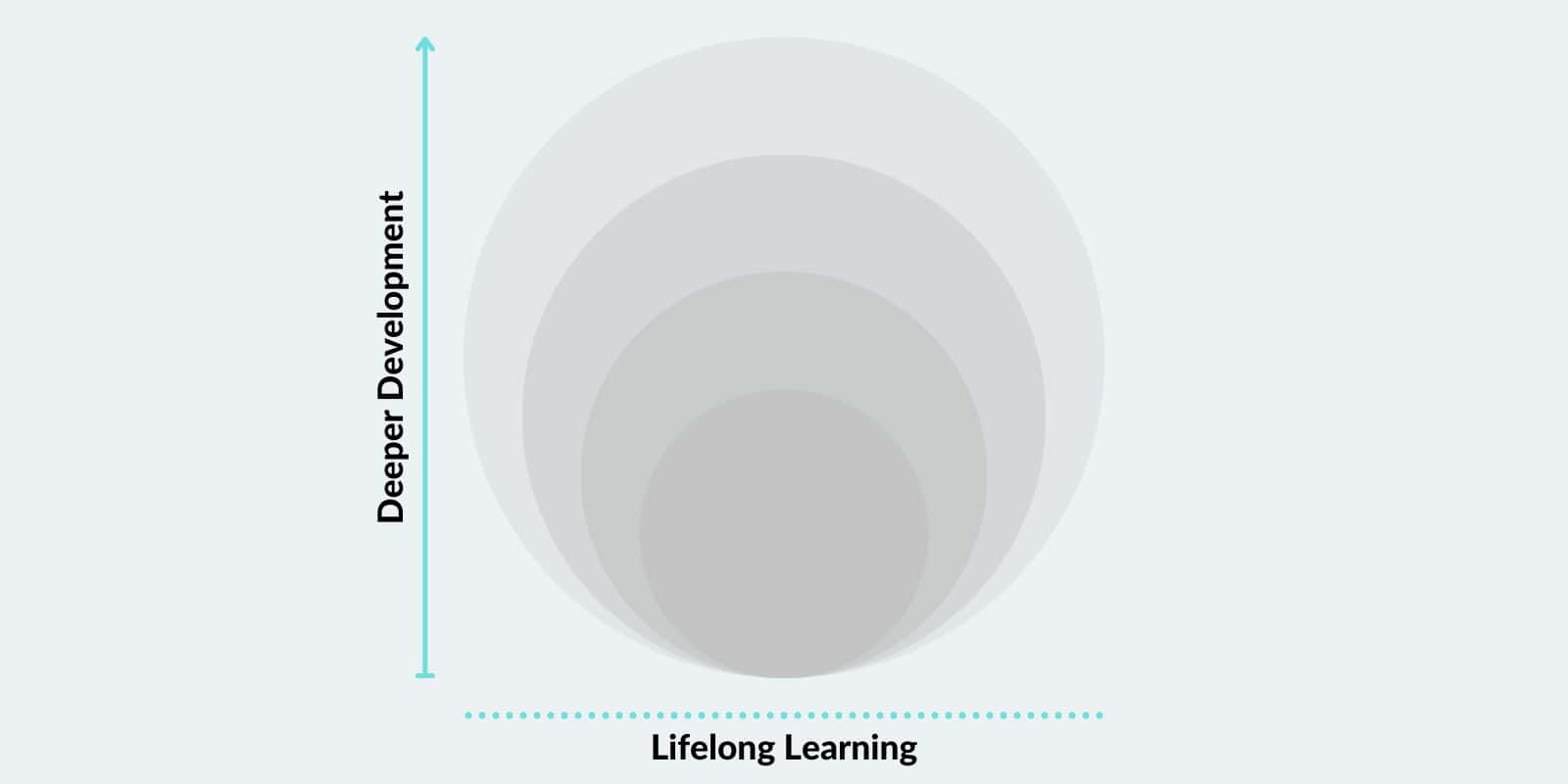
0️⃣ Explore More: 50+ posts on Lifelong Learning & Deeper Development (Sloww Stage Support)
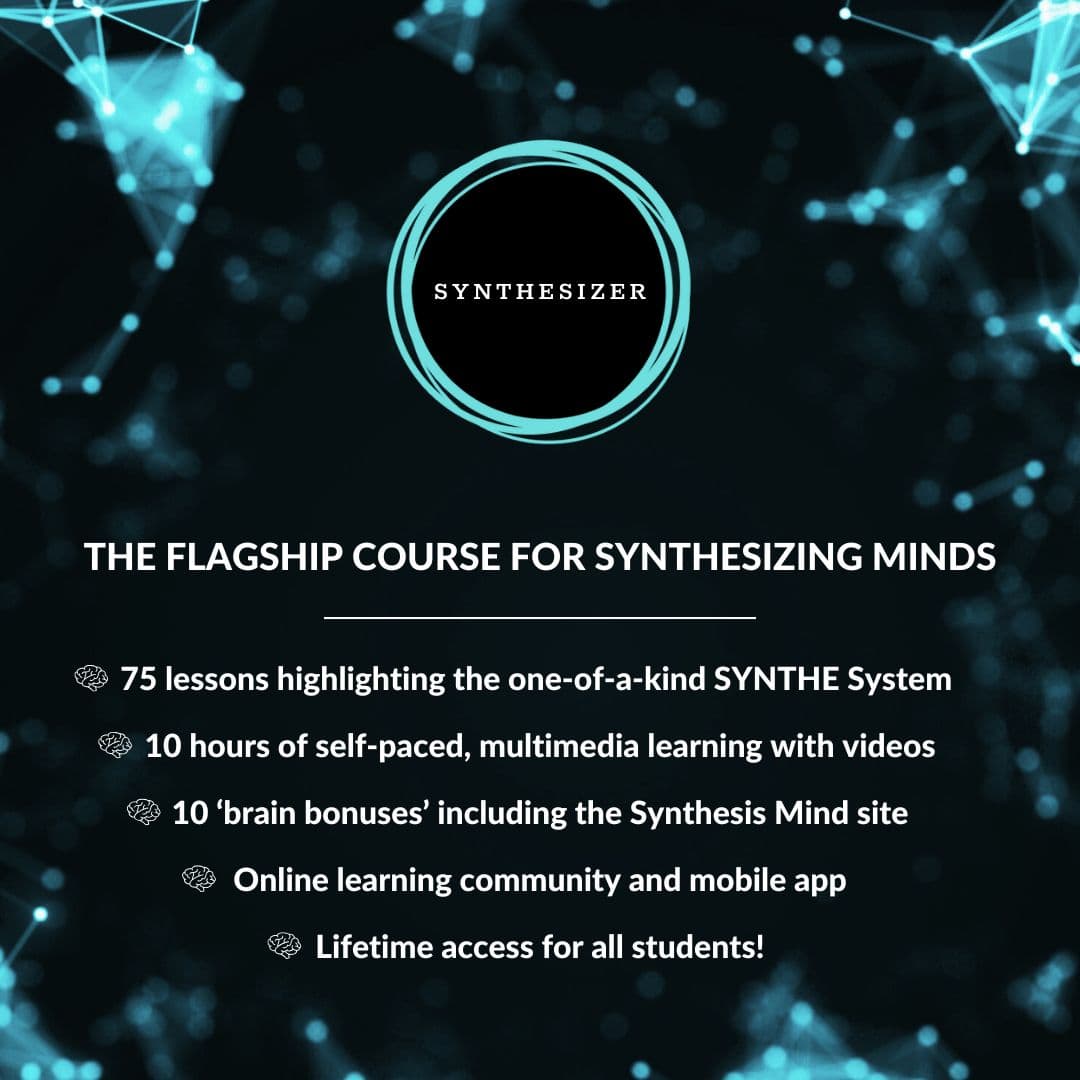
🧠 Featured Product: Synthesizer Course: The Flagship Course for Synthesizing Minds
🧘♀️ Mindfulness without Meditation
Key takeaways from Ellen Langer (Professor of Psychology at Harvard and author of The Mindful Body):
On mindlessness:
- “We’re brought up mindlessly which means we seek single explanations for events … Most of us are mindless almost all the time. The thing that people don’t realize is that when you’re not there, you’re not there to know you’re not there … Virtually all of our ills—personal, interpersonal, professional, global—are the direct or indirect result of our mindlessness.”
On uncertainty:
- “Most of us have been taught certainties from day one, and those certainties are making us mindless … When you know something absolutely, you don’t pay any more attention to it. People need to know that everything they’re told is a probability … Everything is changing. Everything looks different from different perspectives. So, uncertainty is the rule … Certainty is an illusion … The best way to be—because uncertainty is ubiquitous—is confident but uncertain … If you take on the assumption that everything is uncertain, there’s a way that you naturally approach things more mindfully.”
On mindfulness:
- “Being mindful is noticing change … When you know you don’t know, you sit up and you pay attention. And, by sitting up and paying attention, noticing new things—which is the definition I use of being mindful—the neurons are firing. Fifty years of research has shown me that it’s literally and figuratively enlivening … When you’re mindful, you always have choices. When you’re mindless, you never have choices.”
On mind-body unity:
- “If we see the mind and body as a single unit, then wherever we put the mind, we’re necessarily putting the body … Our minds and bodies are one. If our mind is set to see what we’re doing as something good for us, it’ll generally be good for us.”
On behavior:
- “In 45 years of research … this is the one that is nearest and dearest to my heart which is: behavior makes sense from the actor’s perspective or else he or she wouldn’t do it.”
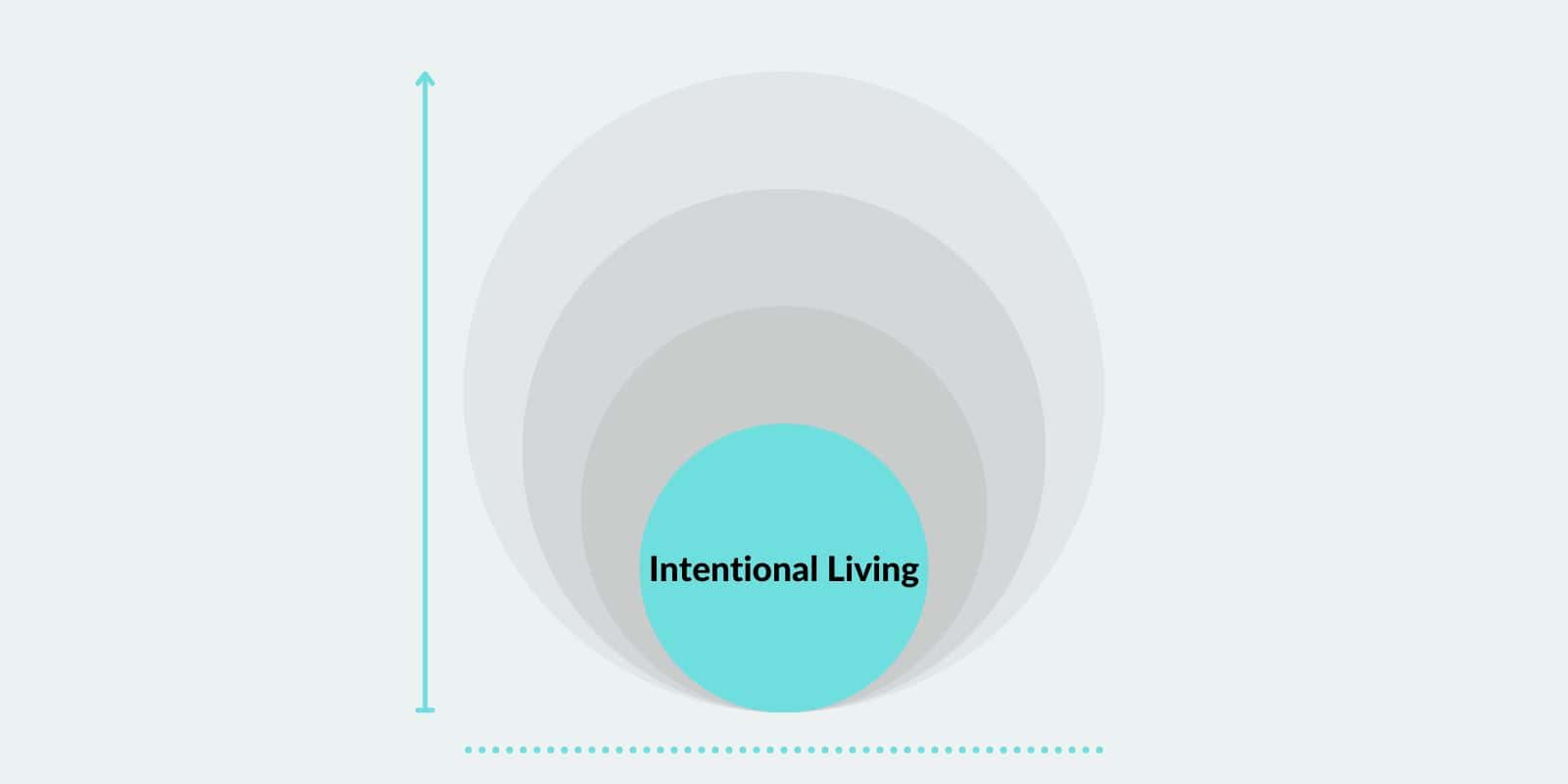
1️⃣ Explore More: 100+ posts on Intentional Living (Sloww Stage 1)
😃 Featured Product: The Hierarchy of Happiness: 100+ Powerful Perspectives on How to be Happy (Free eBook)
🧭 Can parenting be your purpose?
I first read the book Find Your Why by Simon Sinek, David Mead, and Peter Docker in 2019 (Book Summary). I don’t really remember anything about it other than this one little part at the end that said your family can’t be your why. I didn’t have any kids at the time, but this still struck me as strange. Six years later, I now have a child, so I revisited the book to reread that paragraph. Here’s what it says:
- “Family inspires great love and commitment, and most of us want very much to care for our spouse or partner and our children. But a WHY is who we are wherever we are—not just at home, but also at work or out with friends. Though it may seem strange to speak in these terms, family is actually a WHAT. Your WHY will come not from talking about your family, but from talking about the feelings your family evokes in you. During the Why Discovery process, you will inevitably find that the contribution you make to your family members and the impact it has on them are the same contribution you will make and impact you will have on others in any situation that brings out your best self. The bottom line is your family is not your WHY. The reason your best friend loves you is the same reason your significant other loves you, and it’s the same reason your best client or colleagues love you too.”
Rereading it now, I kinda sorta see the nuance that (I think) they are aiming for, but I fully believe there are people out there who are natural-born mothers or fathers—maybe that you would even describe as ‘motherly’ or ‘fatherly’ regardless of whether they are around their family or others. It’s just who they are. Is that not a why?
Here’s how the authors describe what a why should be:
- Our WHY is our purpose, cause or belief—the driving force behind everything we do. It expresses who we are when we are at our natural best. Each of us has only one WHY—we are who we are wherever we are. It’s fully formed by our mid- to late-teens.
The authors suggest drafting a why statement (the first blank is the contribution you make to the lives of others; the second blank is the impact of your contribution):
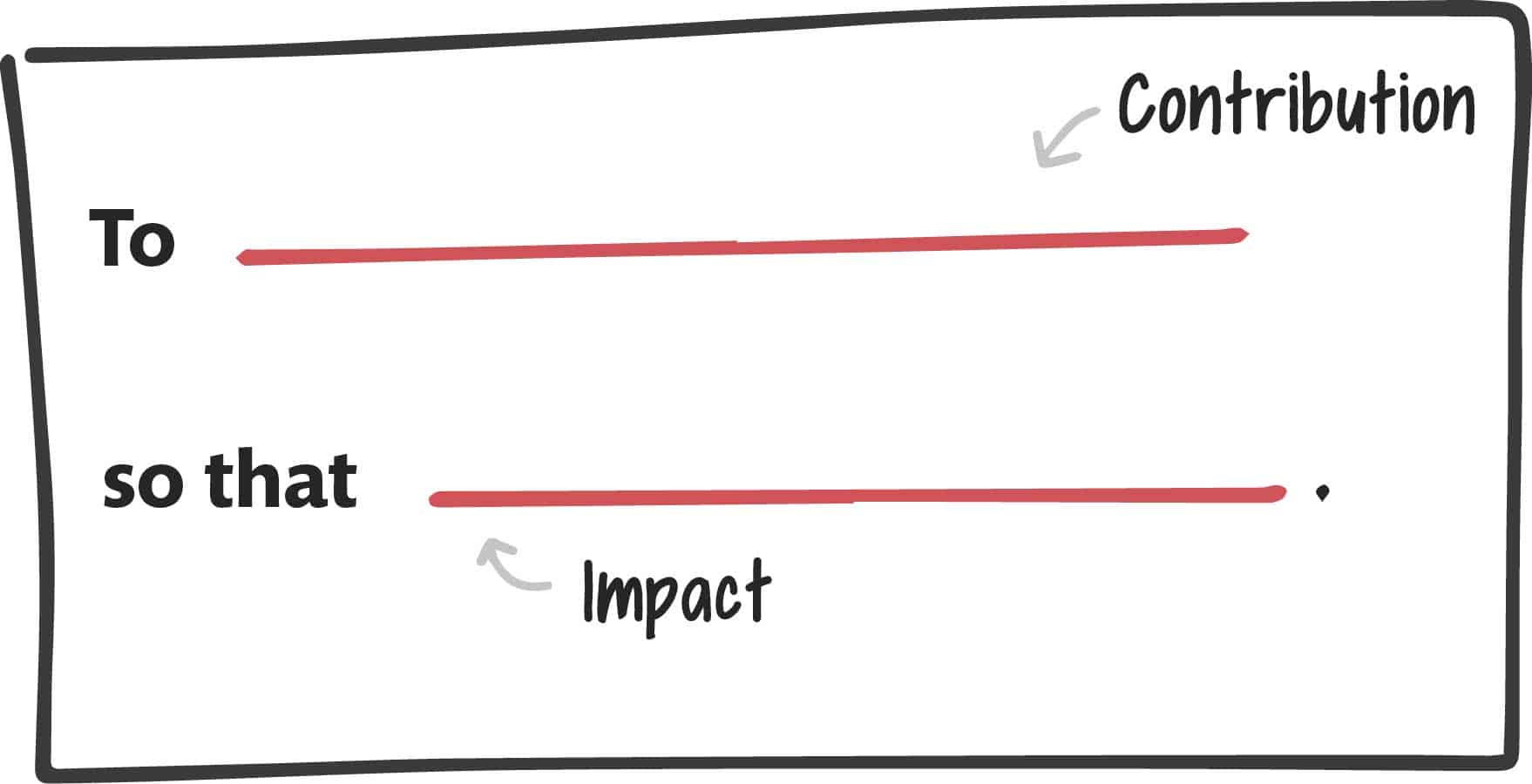
A few examples:
- Simon Sinek’s why: To inspire people to do the things that inspire them so that, together, we can change our world.
- David Mead’s why: To propel people forward so that they can make their mark on the world.
- Peter Docker’s why: To enable people to be extraordinary so that they can do extraordinary things.
All in all, with the description of a why and the why statement in mind, I still see no reason why someone’s why couldn’t be parenting. 🤷♂️
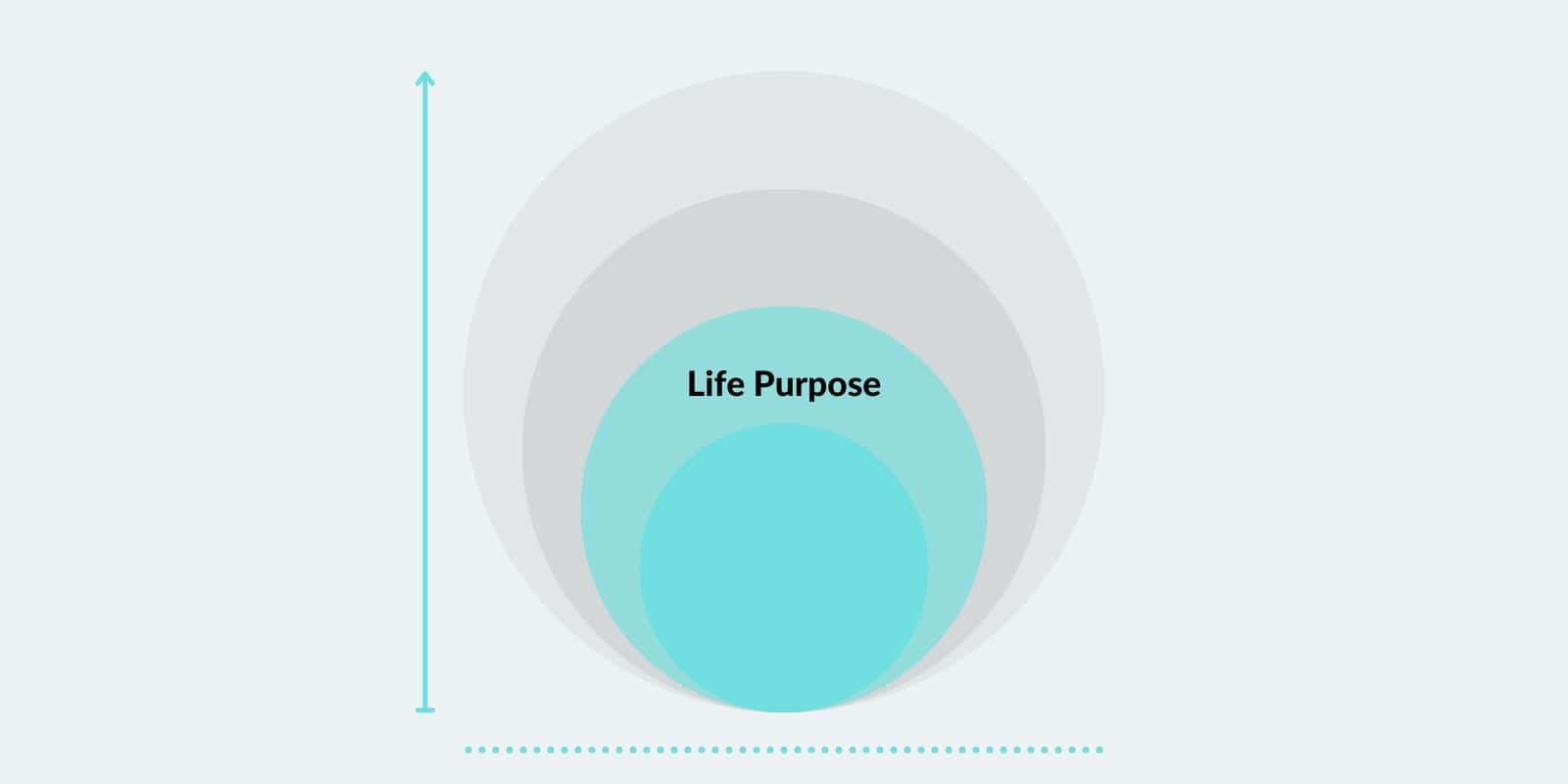
2️⃣ Explore More: 50+ posts on Life Purpose (Sloww Stage 2)
🧭 Featured Product: Ikigai 2.0: A Step-by-Step Guidebook to Finding Life Purpose & Making Money Meaningfully (+ Bonus Workbook)
🧠 Einstein on free will
There are a few famous quotes from Albert Einstein on free will that I see all over the internet. So, I did a deep dive into one of them.
Starting with the original German:
- “Ich glaube nicht an die Freiheit des Willens. Schopenhauers Wort: ‘Der Mensch kann wohl tun, was er will, aber er kann nicht wollen, was er will’, begleitet mich in allen Lebenslagen und versöhnt mich mit den Handlungen der Menschen, auch wenn sie mir recht schmerzlich sind. Diese Erkenntnis von der Unfreiheit des Willens schützt mich davor, mich selbst und die Mitmenschen als handelnde und urteilende Individuen allzu ernst zu nehmen und den guten Humor zu verlieren.” — Einstein, My Credo
- “I don’t believe in the freedom of the will. Schopenhauer’s words, ‘Man can do what he wills, but he cannot will what he wills,’ accompany me in all situations in life and reconcile me with human actions, even when they are quite painful. This realization of the lack of freedom of the will protects me from taking myself and my fellow human beings too seriously as acting and judging individuals and from losing my sense of humor.” — Einstein (Google Translate of My Credo)
As published in a few different books:
- “I do not believe we can have any freedom at all in the philosophical sense, for we act not only under external compulsion but also by inner necessity. Schopenhauer’s saying—’A man can surely do what he wills to do, but he cannot determine what he wills’—impressed itself upon me in youth and has always consoled me when I have witnessed or suffered life’s hardships. This conviction is a perpetual breeder of tolerance, for it does not allow us to take ourselves or others too seriously; it makes rather for a sense of humor.” — Einstein, Living Philosophies
- “In human freedom in the philosophical sense I am definitely a disbeliever. Everybody acts not only under external compulsion but also in accordance with inner necessity. Schopenhauer’s saying, that ‘a man can do as he will, but not will as he will,’ has been an inspiration to me since my youth up, and a continual consolation and unfailing well-spring of patience in the face of the hardships of life, my own and others’. This feeling mercifully mitigates the sense of responsibility which so easily becomes paralysing, and it prevents us from taking ourselves and other people too seriously; it conduces to a view of life in which humour, above all, has its due place.” — Einstein, The World As I See It
- “I do not at all believe in human freedom in the philosophical sense. Everybody acts not only under external compulsion but also in accordance with inner necessity. Schopenhauer’s saying, ‘A man can do what he wants, but not want what he wants,’ has been a very real inspiration to me since my youth; it has been a continual consolation in the face of life’s hardships, my own and others’, and an unfailing well-spring of tolerance. This realization mercifully mitigates the easily paralyzing sense of responsibility and prevents us from taking ourselves and other people all too seriously; it is conducive to a view of life which, in particular, gives humor its due.” — Einstein, Ideas and Opinions
3️⃣ Explore More: 100+ posts on Mental Mastery (Sloww Stage 3)
🧠 Featured Product: Mini Mind: 365 Days of Bite-Size Brain Food
☯️ What is ‘neti neti’?
Ever heard the phrase ‘neti neti’ in spirituality? Spiritual teachers often refer to it as ‘not this, not this’ or ‘not this, not that’. But, what does it actually mean? Here are some helpful notes paraphrased from Rupert Spira (more here: 🔒Rupert Spira Synthesis: Everything about Nonduality (+ Infographics)
- The ‘neti neti’ process is an initial stage of self-inquiry or self-investigation: It’s a preface to, but it doesn’t culminate in, the recognition of our true nature.
- It only tells us what we are not: ‘I’m not my thoughts, I’m not my feelings, I’m not my sensations, I’m not my perceptions’. In other words, ‘I’m not my body or my mind’.
- It’s true you are not a body or a mind. But, it is still necessary to see what we are: In other words, what we are has to see what it is. What we are is not something that we can know; it is not something that is separate from us. I have to know what I am. The I that I am has to know itself clearly. You have to see that you are awareness, and that awareness shares none of the qualities and therefore none of the limitations of the body or mind. You have to see that you are not temporary or finite.
4️⃣ Explore More: 100+ posts on Spiritual Seeing (Sloww Stage 4)
👣 Featured Product: Wise Walk: 365 Days of Enlightening Exercise
The meaning of life is just being alive:
- “Life is not a problem to be solved, nor a question to be answered. Life is a mystery to be experienced … The meaning of life is just to be alive. It is so plain and so obvious and so simple. And yet, everybody rushes around in a great panic as if it were necessary to achieve something beyond themselves.” — Alan Watts
- “What’s the meaning of the universe? What’s the meaning of a flea? It’s just there, that’s it, and your own meaning is that you’re there. Now we are so engaged in doing things to achieve purposes of outer value that we forget that the inner value, the rapture that is associated with being alive, is what it’s all about … People say that what we’re all seeking is a meaning for life. I don’t think that’s what we’re really seeking. I think what we’re seeking is an experience of being alive, so that the life experiences that we have on the purely physical plane will have resonances within that are those of our own innermost being and reality. And so that we actually feel the rapture of being alive.” — Joseph Campbell
Share: Sloww Sunday currently sends to 10,000+ students of life each week. If you enjoyed this issue, please help grow Sloww by forwarding this newsletter to some friends and family. It’s free for them to subscribe here.
Support: Sloww is a one-human labor of love (it’s just me over here 👋). Your support keeps the site ad-free and invests in me while you invest in yourself—a true win-win! There are free and financial ways to support.
Speak: Have something you want to say, or just want to say hi? It’s always greatly appreciated. Just leave a comment or reach out socially.
All the best,
Kyle Kowalski
Founder, Sloww