Here’s what Abraham Maslow said about metapay.
This page is intended as a learning resource for educational purposes and only meant to offer an overview/introduction. Short quotes aren’t a substitute for source material, so if this page sparks your interest, explore more deeply by checking out Abraham Maslow’s books (Amazon)—especially The Farther Reaches of Human Nature:

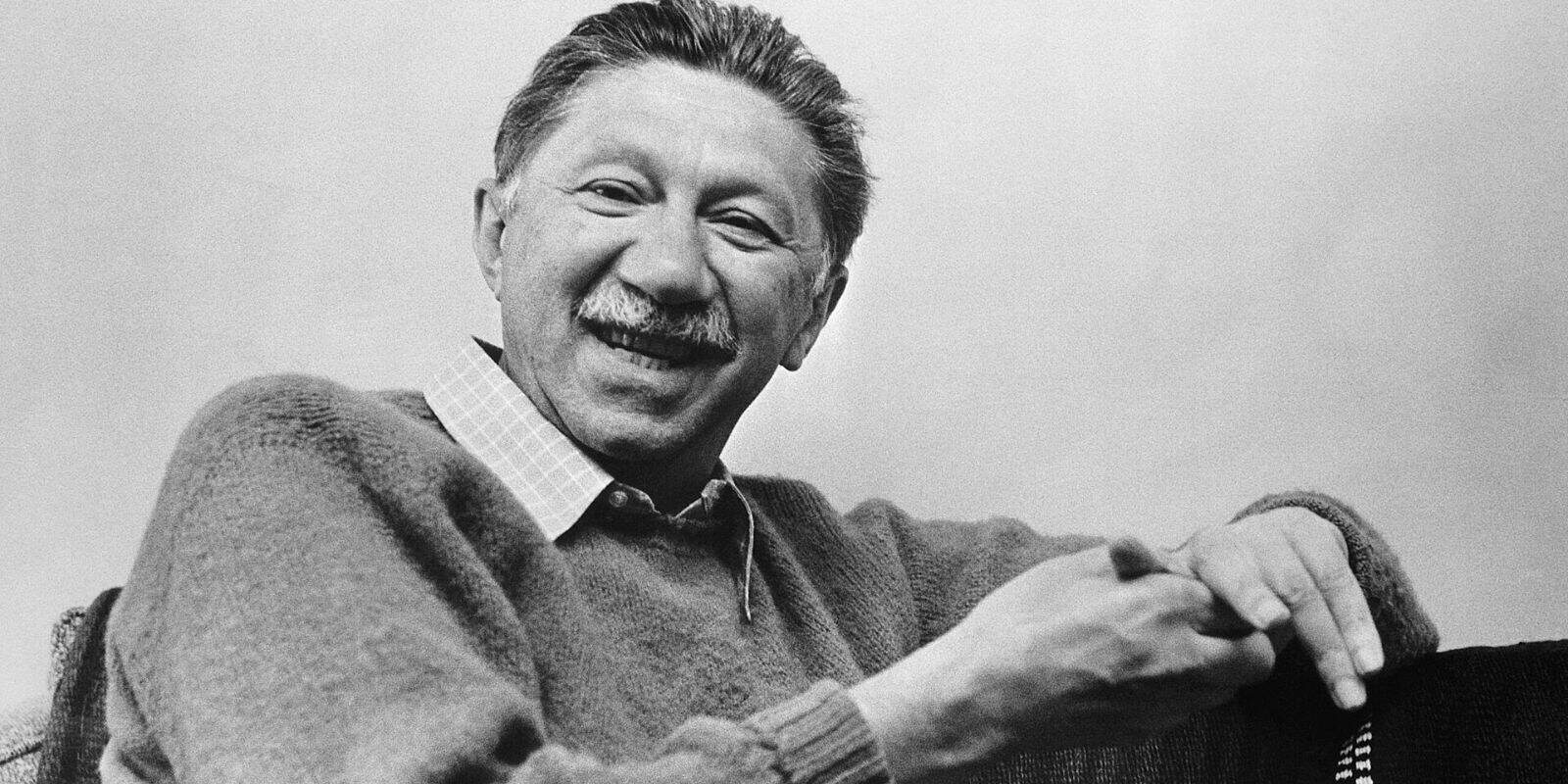
Evolving from Money Pay to Metapay (Abraham Maslow Summary)
On being paid for your passion:
“The most beautiful fate, the most wonderful good fortune that can happen to any human being, is to be paid for doing that which he passionately loves to do. This is exactly the situation, or almost the situation, with many (most?) of my subjects … A large proportion of self-actualizing people have probably fused work and play, i.e., they love their work. Of them, one could say, they get paid for what they would do as a hobby anyway, for doing work that is intrinsically satisfying.” — Maslow
On money as a byproduct:
“Of course money is welcome, and in certain amounts is needed. But it is certainly not the finality, the end, the ultimate goal (that is, in the affluent society, and for the fortunate man). The salary check such a man gets is only a small part of his ‘pay’ … Self-actualizing work or B-work (work at the level of being), being its own intrinsic reward, transforms the money or paycheck into a byproduct, an epiphenomenon … The role of money in the realm of being is certainly different from the role of money in the realm of deficiencies and of basic needs.” — Maslow
On metapay:
“What is crucially important is the fact itself that there are many kinds of pay other than money pay, that money as such steadily recedes in importance with increasing affluence and with increasing maturity of character, while higher forms of pay and metapay steadily increase in importance … I assume that greater psychological health would make these kinds of pay (higher-need gratifications and metaneed gratifications) more valuable especially with sufficient money and with money held constant as a variable.” — Maslow
On simplicity:
“Learn not to pay too much for money … Mystics and transcenders have throughout history seemed spontaneously to prefer simplicity and to avoid luxury, privilege, honors, and possessions.” — Maslow
You May Also Enjoy: